



Among the three organizations capable of issuing labels and certifications for chronometers, the Besançon Observatory is the only one to independently control finished products. It is also a historical player in the European watchmaking industry, which has applied the famous Viper Hallmark to chronometers since the late 19th century – a distinction that watch enthusiasts consider more than ever a guarantee of extreme quality.
The Two Lives of the Viper Hallmark
The story begins in the late 19th century, precisely in 1897. The Besançon Observatory, since its creation in 1878 (under pressure, it should be noted, from local watchmakers), has certified chronometers at the request of manufacturers. At that time, its directors decided to affix a hallmark of their own invention to models that successfully passed stability and precision tests. Thus, the public could recognize them without any ambiguity, as the performance certificates issued by the institution were no longer sufficient.
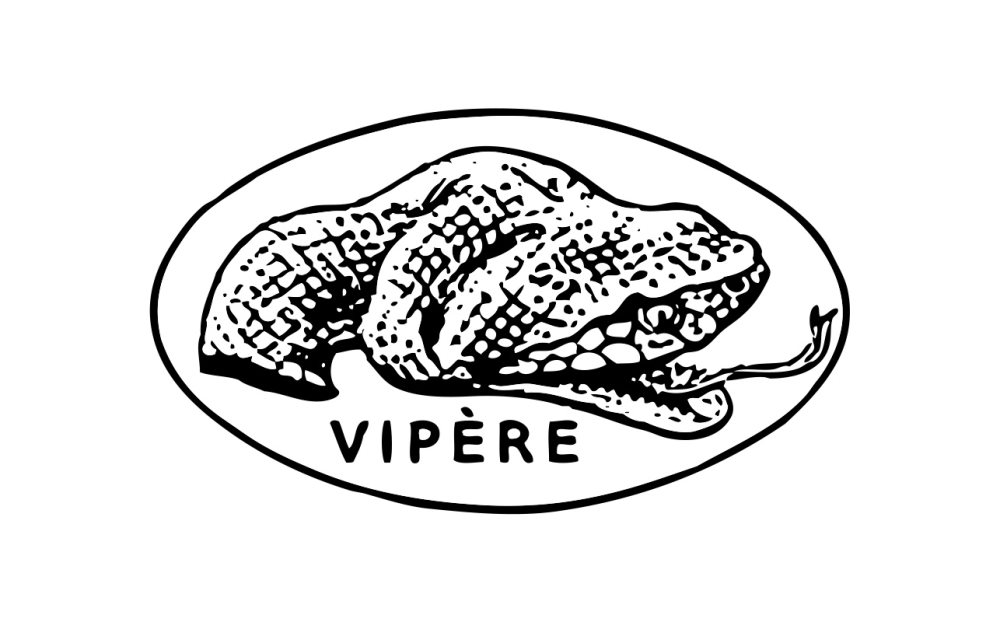
The Viper Hallmark was born: consisting of a viper’s head, it is applied to the visible side of the movement and specifies the class to which the chronometer belongs – from 3rd to 1st. This hallmark does more than just approve the technical quality and precision of a chronometer: it validates genuine expertise, the result of excellence bordering on perfection.
Unfortunately, the first life of the Viper Hallmark ended with the famous “quartz crisis” of the 70s, which led to the collapse of a significant part of the European watchmaking industry, facing low-end automatic production from Asia. The Observatory’s control activities gradually diminished, before disappearing entirely.
For about thirty years, the instruments and methods of the Besançon Observatory gathered dust. Until a second life began, rising from the ashes of the first: at the dawn of the 21st century, the Observatory relaunched its chronometric control activities, encouraged by watch manufacturers across Europe. And since then, it intends to once again play a leading role in the timepiece industry, while restoring Besançon’s status as the French watchmaking capital.
 The Viper Hallmark’s Place Today
Along with the Official Swiss Chronometer Testing Institute (COSC) and the WEMPE Glashütte center in Germany, the Besançon Observatory is the only organization in the world authorized to award the official title of “chronometer,” after numerous tests and various controls. It is also, in fact, the only organization of its kind in France.
But that’s not all: after decades of dormancy, the so-called Viper Hallmark certification has returned stronger – and more precise – than ever. The Observatory did not merely resume its activities; it has acquired globally recognized scientific expertise, pushing its daily measurement unit down to a billionth of a second – the precision required for atomic clocks. But fortunately not for chronometers, for which a deviation of half a second is still tolerated.
The “Viper’s Head” Keeps a Close Eye
The emblem of the Viper Hallmark – represented by the head of the said reptile – allows a cased mechanical watch to be certified as a “chronometer,” provided it meets the requirements of ISO 3159 for reliability and precision. Watches submitted to the Besançon Observatory’s tests are tested for sixteen days, during which they are placed in five successive positions and subjected to three different temperatures. Only the best timepieces successfully emerge from this trial by fire.
The particularity of the Viper Hallmark, compared to other existing hallmarks (independent or belonging to watch brands), is to certify finished watches, as they will be marketed, and not just the movements. This specificity allows the Observatory – and its viper’s head – to ensure an absolute level of quality, without risking any potential malfunction of the movement during casing. In this sense, the Viper Hallmark is a truly definitive certification; and the performance certificate, issued after the tests, thus validates total reliability.