



For all watch enthusiasts, watch winders are ingenious devices that have revolutionized the way we care for our precious mechanical watches. Thanks to them, there is no longer any need to wind your automatic watch daily or almost daily to prevent it from stopping.
How a Watch Winder Works
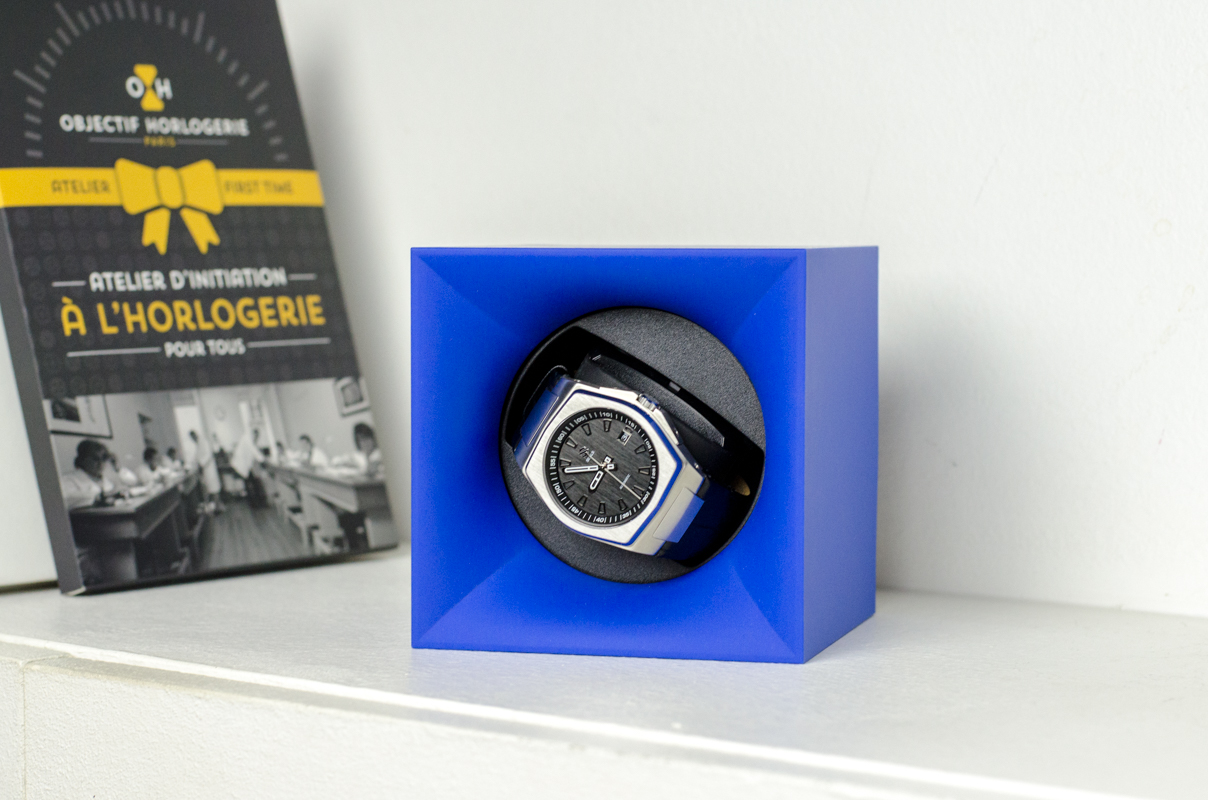
A watch winder, also known as a watchwinder in English, is a device designed to keep automatic watches in motion when they are not being worn. Its principle is simple yet ingenious: it reproduces the natural movements of the wrist to keep the watch mechanism active.
The heart of the winder consists of a silent electric motor that rotates a support on which the watch is fixed. This rotating movement activates the rotor of the automatic watch, which in turn winds the mainspring. As a result, even when you are not wearing your watch, it continues to function as if it were on your wrist.
Here are the main elements found in a quality watch winder:
- A silent and reliable motor
- Customizable rotation programs
- An adjustable holder for different watch sizes
- Battery or mains power supply
- An elegant design to complement your interior
The Benefits of Using a Watch Winder for your Watches
Using a watch winder offers numerous benefits for watch enthusiasts. Here are the main ones:
- The watch winder preserves your watch’s accuracy. By keeping the movement active, it prevents the oils from congealing, which could impair the mechanism’s precision.
- It extends your watch’s lifespan. By avoiding frequent stops and restarts, the winder reduces wear on mechanical components.
- It saves you valuable time. No need to set the date and time every time you wish to wear a watch from your collection. Your timepiece is always ready for use, as if it had never left your wrist.
| Benefit | Description |
|---|---|
| Accuracy | Maintains oil fluidity and mechanism precision |
| Longevity | Reduces wear on mechanical components |
| Convenience | Keeps your watches always ready for use |
How to Choose the Right Watch Winder for your Watches?
Choosing a watch winder may seem complex, but do not worry, this article is designed to guide you.
Capacity is paramount. Consider how many watches you wish to wind simultaneously. Models range from a single slot to over a dozen. If you are a passionate collector, opt for an expandable model that can accommodate your future acquisitions.
Rotation programs are also crucial. Each watch has its specific winding requirements. A good watch winder offers several modes: continuous, intermittent, or alternating rotation. Some high-end models even provide customizable programs for each slot.
Do not forget the power supply. Watch winders operate either on mains power or batteries. The choice will depend on where you intend to install it and your preference for convenience.
Finally, consider the design. A quality watch winder should not only care for your watches but also blend harmoniously with your interior.
Maintaining your Watch Winder
Now that you have chosen your watch winder, it is essential to know how to care for it. A well-maintained watch winder will last longer and better preserve your precious watches. Here are our expert tips for keeping your watch winder in perfect working order:
- Regularly clean your watch winder: use a soft, dry cloth to remove dust that may accumulate on surfaces and in mechanisms, and avoid using chemical products that could damage the finishes.
- Periodically check the proper functioning of the motors: listen carefully for any abnormal noise that might indicate wear or malfunction, and do not hesitate to consult the user manual or contact the manufacturer if in doubt.
- Regularly change your batteries if it is not mains-powered: ideally every 6 to 12 months, but this may vary by brand. It is advisable to change them before they are completely depleted, as weak batteries can lead to irregular rotations that would affect the winding of your watches.
- Protect your watch winder from extreme temperature and humidity variations: place it in a stable location, away from direct sunlight and heat sources.
