20th-century watchmaking was shaken by a vast movement that profoundly transformed the face of the global industry: first with the development of wristwatches, proudly displayed on wrists, then with the advent of the quartz watch and the mass production of electronic timepieces, at the expense of Switzerland’s traditional mechanical industry (what would be called the ‘quartz crisis’). It would take until the very end of the millennium for mechanical watches, particularly chronographs, to restore Swiss watchmaking to its former glory. Discover now the history of watchmaking during this period.
The Wristwatch: the Birth of 20th-Century Watchmaking
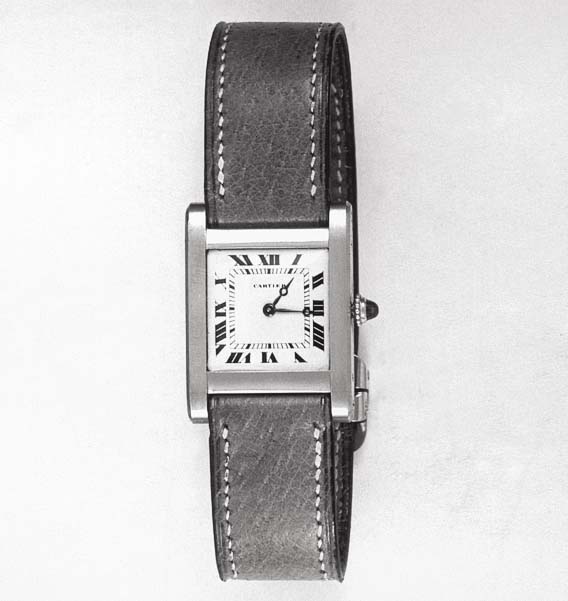
If one were to pinpoint the precise moment of the birth of 20th-century watchmaking, it would certainly be with the emergence of the modern wristwatch. It was to meet a specific request from his aviator friend, Alberto Santos-Dumont, that watchmaker Louis Cartier (in association with Hans Wilsdorf) designed a watch intended to be worn exclusively on the wrist, so that the pilot could check the time without having to pull his chronograph from his pocket.
This occurred in 1904, nearly a century after Abraham-Louis Breguet created the first bracelet incorporating a timepiece, presented to the Queen of Naples (and nearly two and a half centuries after Blaise Pascal conceived the idea of attaching his pocket watch around his wrist with a string). However, this time, when the Santos model was commercialized starting in 1911, the watchmaking world was ready to replace the famous pocket watch, a preferred fashion accessory for gentlemen until the end of World War I.
However, the initial models primarily resonated with women, serving less as precise time-measuring instruments and more as accessories. For men, it would take the militarization of the wristwatch (particularly by aviators) for the object to cease being considered whimsical and effeminate.
The Need for Precision and the Quartz Clock Revolution
The history of watchmaking is also one of an increasingly refined quest for precision. It was with this in mind that, following the Curies’ discoveries on the piezoelectric effect of quartz, Americans Warren Morrison and J.W. Horton developed the first quartz clock in 1928; due to the properties of this stone, their clock was infinitely more reliable than mechanical systems – with an accuracy of approximately one-thousandth of a second per day.
With the progressive miniaturization of quartz movements, the Japanese industry managed to present a first model of a quartz watch in 1969 – a watch that uses a quartz oscillator set in motion by electrical stimulation. This was thanks to Seiko, a company already known for producing Japan’s first pocket chronograph.
Research in this field continued with the development of atomic clocks, starting in 1947. These clocks rely on the immutability of the electron’s electromagnetic radiation to ensure the accuracy of the oscillating signal; these instruments can thus establish reference time scales across the entire planet (the ‘International Atomic Time’).
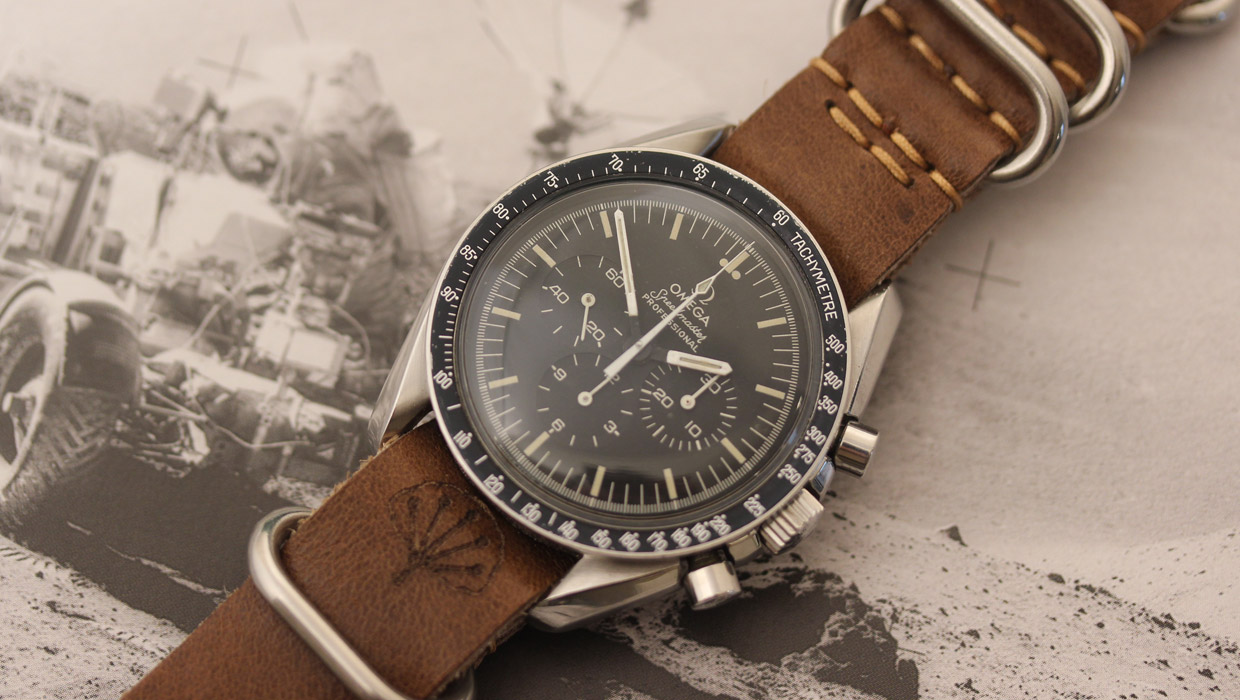
Another innovation – or rather, a development – directly stemming from this quest for precision inherent in 20th-century watchmaking was the rise of the chronograph. The watch equipped with a complication allowing the measurement of an event’s duration using an additional hand experienced its heyday from the first part of the century. Omega was the emblematic brand of this era, manufacturing chronographs used for sports timing during the Olympic Games; but Longines and Heuer, who dominated the scene before World War II, can also be mentioned. (It should be noted that the difference between a chronograph and a chronometer is a matter of precision; a chronometer must necessarily have obtained a certificate from the Official Swiss Chronometer Testing Institute.)
Switzerland, the Quartz Crisis, and the Birth of Swatch
While watchmaking mechanization from the United States since the mid-19th century did not defeat the Swiss industry, which adapted to new market conditions, the 20th century brought it significant challenges. The seismic shock of the Great American Depression caused turmoil even on the Old Continent; in Switzerland, the watch industry was still dominated by family businesses, too small and severely impacted by the economic crisis. Component manufacturers, in particular, soon found themselves in great danger, to the extent that the Confederation had to partner with banks to establish a holding company aimed at uniting these artisans, without whom the industry could not survive (they are the ones who produce balance wheels, hairsprings, and other watchmaking jewels).
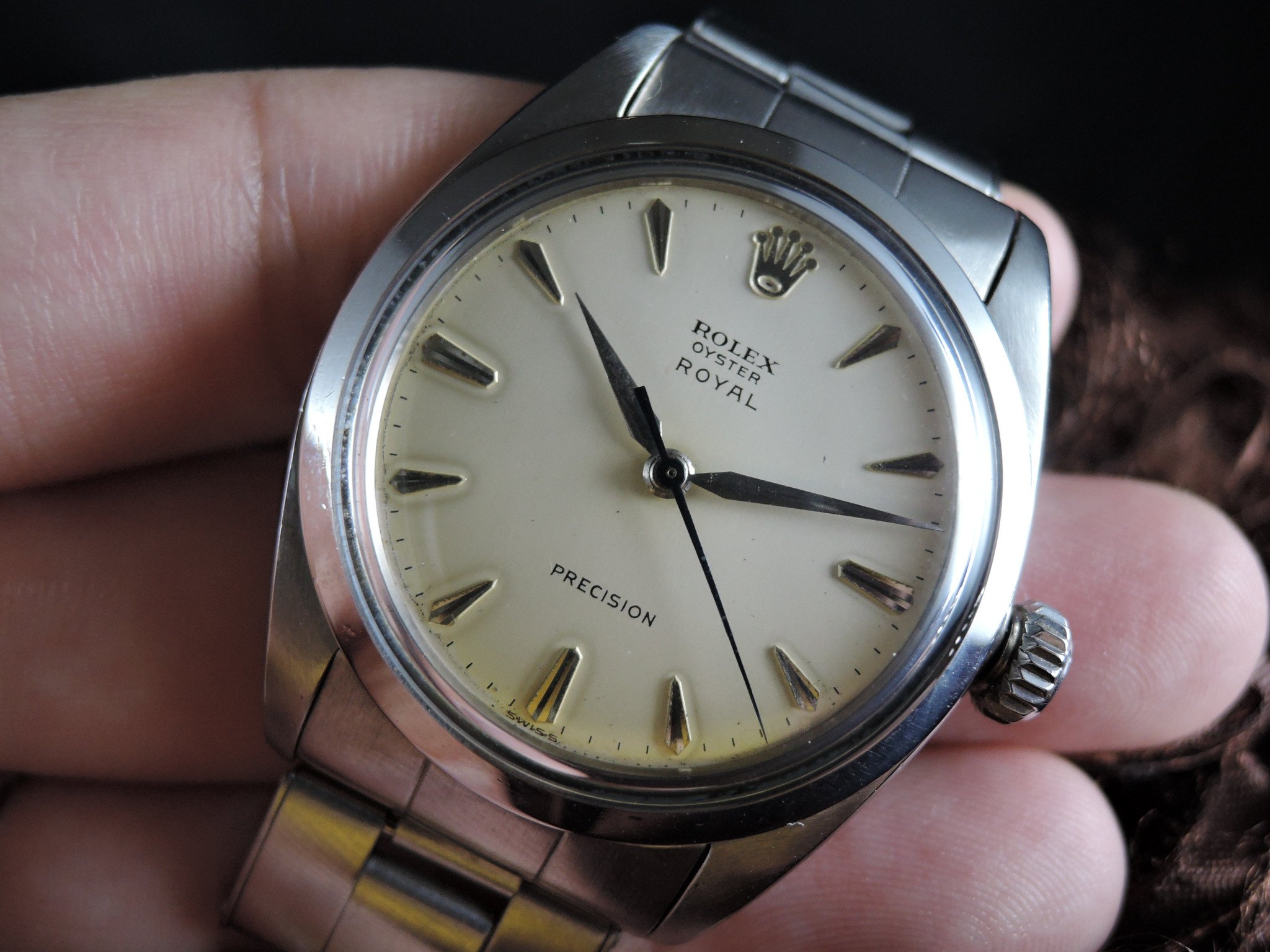
But the real storm arrived later, during the 1970s. The advent of the quartz watch allowed Japanese industries to flood the market with electronic timepieces offered at unbeatable prices. Americans followed suit, prioritizing quantity over the need for quality. The ‘quartz crisis’ shook the Swiss watchmaking empire, which was stubbornly focused on high-end but costly artisanal production, so severely that it threatened to collapse. In 5 years, the market share of Swiss manufacturers plummeted from 50% to… 5%!
Fortunately, 20th-century watchmaking saw the emergence of its own geniuses; these were no longer major inventors like Breguet or Jaquet-Droz, but rather brilliant businessmen capable of understanding market trends. Such was the case of Nicolas Hayek, a Lebanese-born Swiss national who, in the early 1980s, was asked to analyze the causes of the industry’s downfall. The creation of Swatch stemmed from this particularly severe audit: with this timepiece, which combined quality, rapid manufacturing, and reduced labor costs, Hayek literally saved the national industry and enabled Switzerland to successfully emerge from the quartz crisis.
After Quartz: a Return to Mechanical
Despite the predominance of Japanese quartz watches, whose market, for the first time in 1982, surpassed that of mechanical watches, the Swiss industry emerged from the crisis thanks to Nicolas Hayek and his millions of Swatch watches sold worldwide.
Like all mechanical complications, chronographs suffered from this evolution: with 1980s digital watches readily incorporating a chronograph function at reduced prices, buyers abandoned the more qualitative, more artisanal, but also much more expensive models.
In the 2000s, however, a strong return of mechanical watchmaking was observed within the Swiss watch industry, which successfully repositioned itself in the luxury sector. The chronograph embodies this revival: sales figures rose from 1 million units in 1990 to 4.2 million in 2000, then to 5.3 million in 2010.
After the quartz crisis and the widespread battle of the quartz watch, Swiss manufacturers refocused on craftsmanship. They cleverly managed to transform the timepiece into a product of luxury, tradition, and fashion all at once, highlighting Swiss savoir-faire as a symbol of prestige inaccessible to the majority. Certainly, the Swiss watch industry no longer dominates in terms of market share; but it remains first in terms of market value.