

Do you wish to maintain your watches or simply change straps, but find watchmaking tools seem inaccessible? Discover the three essentials – watchmaker’s loupe, spring bar tool, and precision screwdrivers – to master movements and straps with expertise. This guide reveals their key role, usage tips, and brands like Bergeon or Horotec to get started without breaking the bank. Ready to turn your passion into practice?
The Watchmaker’s Loupe: your Eye for Precision
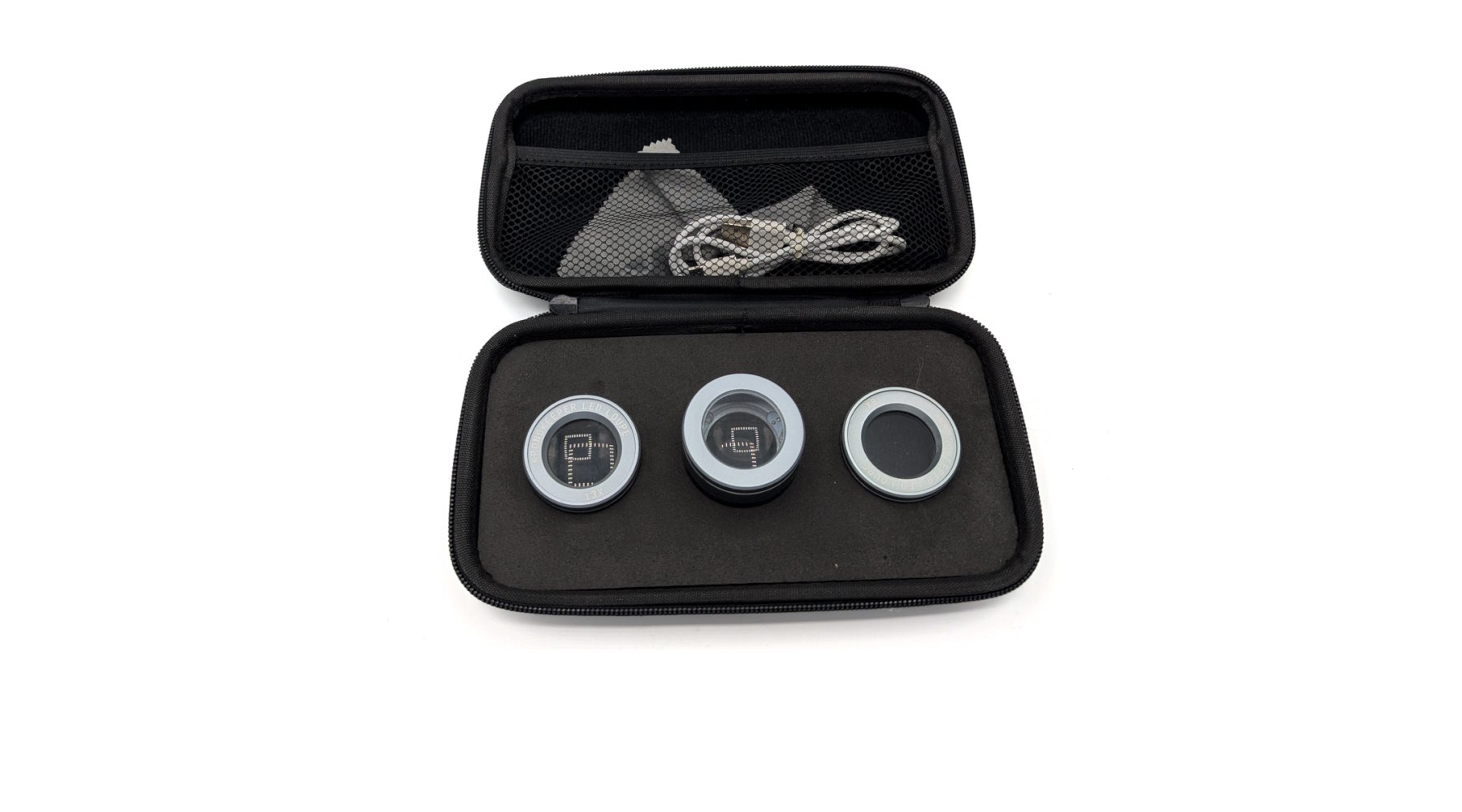
The watchmaker’s loupe allows for inspecting movements with unparalleled precision. You can detect finishing flaws and check the condition of gears. Without this tool, the subtleties of movements remain invisible. The professional watchmaking tool remains an indispensable ally for any enlightened enthusiast.
Different types of loupes coexist: monocular, binocular, or headband-mounted. Handheld models offer greater freedom of movement. Illuminated versions are suitable for poorly lit spaces. Each configuration meets the specific needs of the watch enthusiast.
- Ideal Magnification: Opt for a 10x model for general work or a multi-magnification set (3x to 20x) for versatile use.
- Optical Quality: Choose aplanatic loupes with optical glass triplet lenses for a sharp, distortion-free image.
- Integrated Lighting: Select a model equipped with annular LEDs for optimal visibility and reduced visual fatigue.
Optimal magnification ranges between 3.5x and 10.5x for classic watchmaking. Excessive magnification limits the field of view and complicates intervention. This adjusted setting allows for detailed analysis of mechanical components.
Integrated lighting uniformly illuminates the observed areas. LEDs prevent parasitic reflections and extend visibility. This feature improves user comfort for vintage or complex watches. Cool light reveals the slightest imperfections.
Economical solutions exist to start confidently, such as Kronokeeper loupes or those from ABP.
Position the loupe at an appropriate distance from the movement to reduce eye strain. Alternate observation angles to avoid visual monotony. Take regular breaks to preserve your acuity. Balanced use extends your sessions without discomfort.
The Spring Bar Tool: Mastering Strap Changes
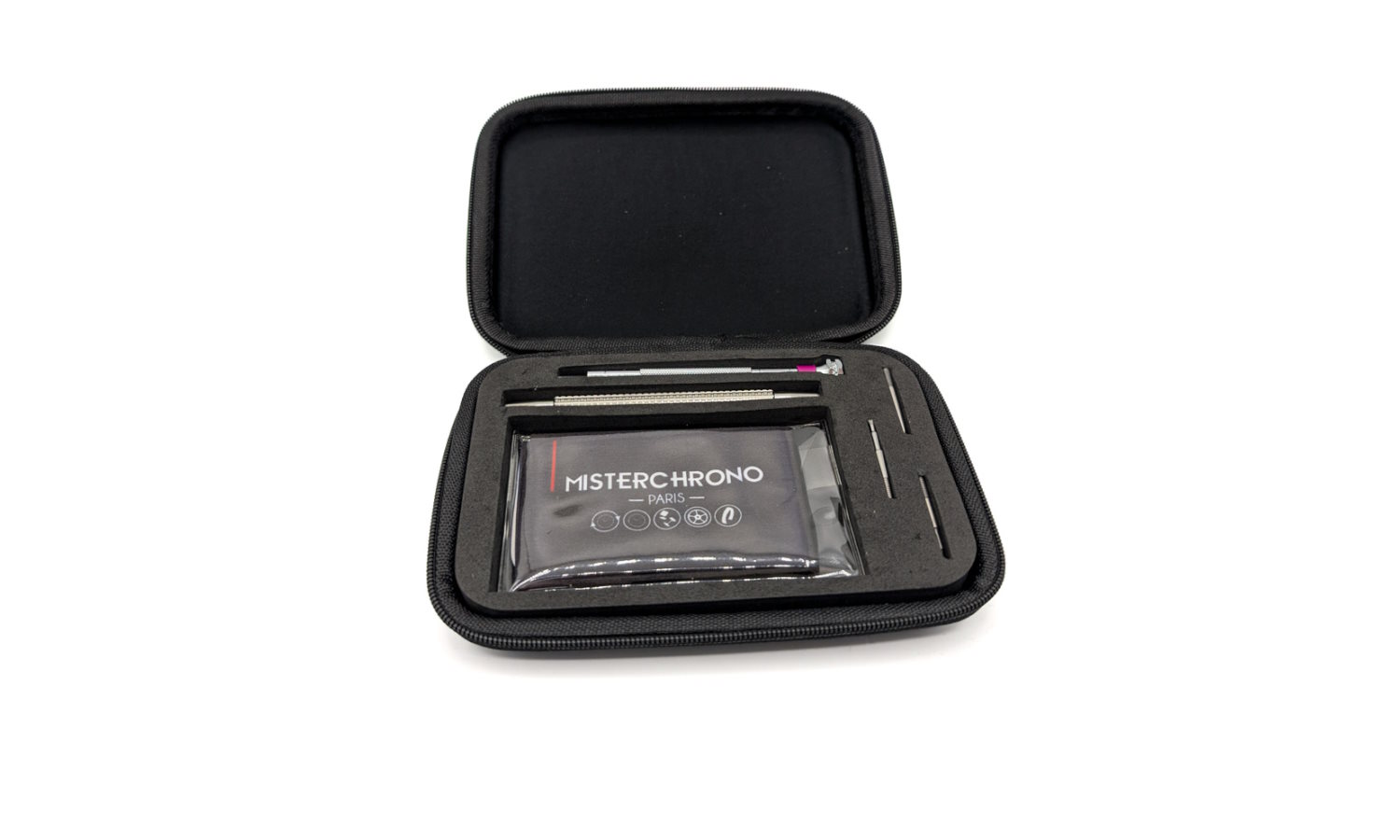
The spring bar tool facilitates changing watch straps. It is used to compress spring bars to insert or remove them from the lugs. Without this tool, handling these small metal components becomes perilous. You risk damaging the watch case or the spring bars themselves.
Spring bar tools come in several versions: classic fork, pusher for confined spaces, combined for greater versatility. The fork tool is inserted between the spring bar and the watch case. The pusher acts on the lug holes. The combined tool offers both functions in one.
Poor quality forks scratch metal cases or deform spring bars. They lack precision and generate uneven pressure. Premium stainless steel tools resist wear. They maintain their effectiveness long-term without altering your watches’ finishes.
Insert the tool between the spring bar and the case, then compress the spring. When you release, the spring bar comes out of the lug hole. For installation, place the spring bar into the strap attachment slots. Use the tool to compress it and insert it into the watch lugs.
Kits generally include several tips to adapt to different types of watches. You will find fork tools, pushers, and magnetic holders for spring bars. Some sets even include screwdrivers for screwed attachments, such as the Bergeon strap changing kit.
Bergeon, Beco Technic, and Horotec are industry benchmarks:
- Bergeon offers Swiss precision tools
- Beco Technic provides affordable yet reliable options
- Horotec combines quality and accessibility
Their equipment withstands repeated handling while protecting your watches during strap changes.
Watchmaking Screwdrivers: Precision and Control
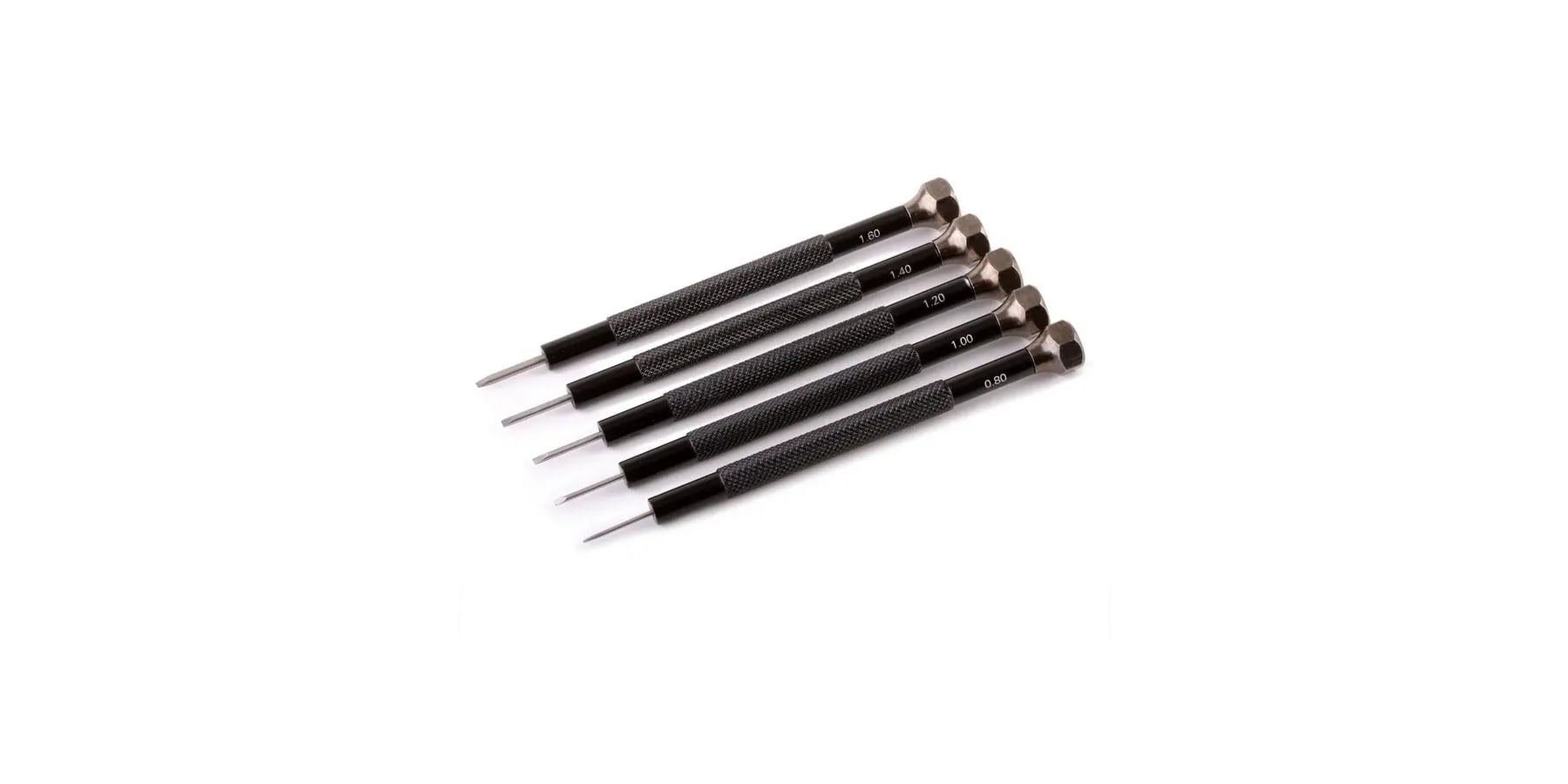
Watchmaking screwdrivers handle the micro-screws of mechanical watches. Precise dimensions prevent damage to screw heads. Standard models do not meet these requirements. The delicate precision of movements demands specialized tools.
Watchmaking screwdrivers adapt to tiny screws thanks to their narrow blades. Their hardened steel resists wear. Ergonomic handles facilitate grip. Anti-magnetic versions protect delicate systems from magnetic interference.
Common sizes range from 0.5 to 3 mm to cover watch movements. A complete assortment includes 7 to 10 models. Flat-head and Phillips blades adapt to different screw types. Each movement requires specific tooling.
Expert kits include screwdrivers, tweezers, loupes, and oilers. Some include movement holders and finger cots. Storage trays organize the tools. These complete sets are suitable for demanding enthusiasts.
Anti-magnetic screwdrivers protect movements sensitive to interference. Their special steel prevents magnetism. Components like balance wheels remain intact. This feature prevents timing inaccuracies.
Regularly clean the blades with a soft cloth and a little oil. Store each tool in its designated place in the case. A magnetic tray keeps screws secure. Simple maintenance preserves their long-term effectiveness.