

You thought the watch clasp was just a trivial detail? Think again: this small element determines your comfort, the security of your watch, and even the lifespan of your strap. In this article, discover the differences between the tang buckle—elegant and classic, ideal for slim wrists and tight budgets—and the deployment clasp—innovative and secure, perfect for preserving leather straps or precious watches. Become an expert in the blink of an eye and find the ideal solution for your style, wrist, and habits by exploring their hidden advantages and strategic weaknesses.
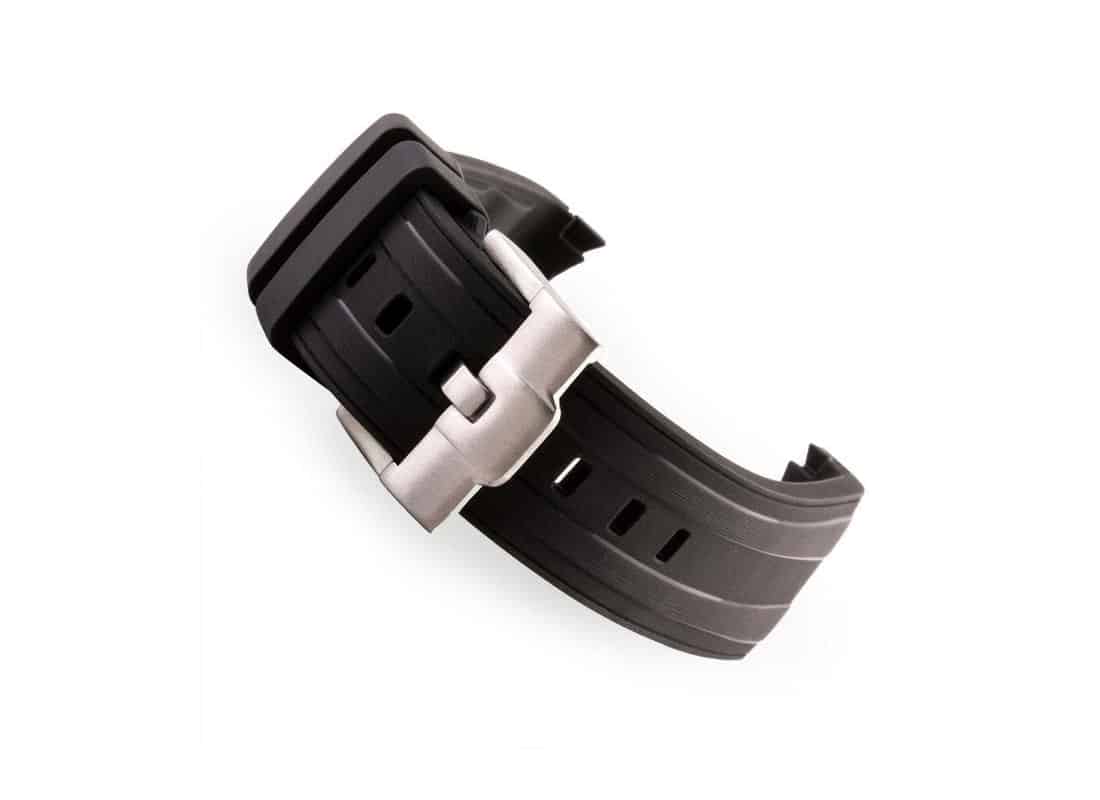
More Than Just a Clasp: Why Your Watch Buckle Choice Is Crucial
You think choosing a watch strap comes down to its material or color? Think again. An often underestimated detail can change everything: its clasp. This small mechanism influences not only wrist comfort but also the security of your watch and even the lifespan of your strap. For example, a poorly chosen clasp can cause uncomfortable rubbing or weaken leather through repeated folding.
Two systems dominate the market: the tang buckle, symbol of classicism, and the deployment clasp, emblem of modernity. The former, a timeless heritage, offers simplicity and precision in adjustment, ideal for collectors of vintage models. The latter, a technical innovation, guarantees practicality and protection against accidental drops, appealing to lovers of sports or luxury watches. Behind these differences lie issues of style, practicality, and longevity. Discover how to choose the one that aligns with your daily use, activities, and aesthetic preferences.
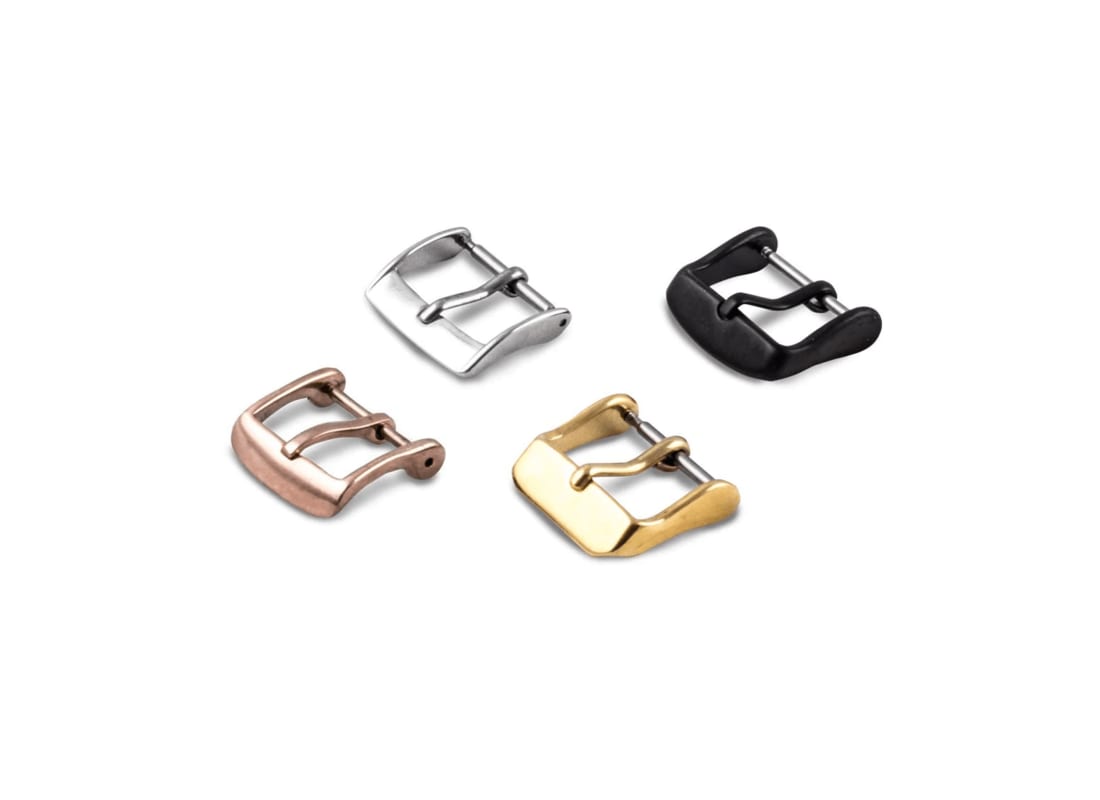
The Tang Buckle: Timeless Elegance of Simplicity
What Is a Tang Buckle?
The tang buckle works like a belt. It combines a metal buckle and a tang, a small pin that inserts into the strap’s holes to adjust the size. This system, used for decades, remains the most widespread in watchmaking for its proven reliability.
The Strengths of a Great Classic
Simple and robust, the tang buckle appeals through its comfort: thin and flat, it adapts to all wrists without discomfort. Its discreet aesthetic recalls the vintage elegance of dress watches, beloved by nostalgic collectors. Finally, its modest cost makes straps accessible, ideal for varying styles without a high budget.
For practicality enthusiasts, it offers precise adjustment and adapts to all materials: leather, silicone, fabric. A valuable advantage for daily use, especially for slim wrists.
The Weak Point: Premature Strap Wear
Yet, this simplicity has a downside: wear. By folding the strap daily at the tang, materials like leather or nylon wear out. Marks and cracks appear, especially if the watch is worn intensively. A quality leather strap can last up to ten years with care, but lack of maintenance accelerates its deterioration.
Another risk: the watch falling during adjustment. The two parts of the strap separate entirely, requiring careful handling. A drawback to consider for sports activities or dynamic environments where security is paramount.
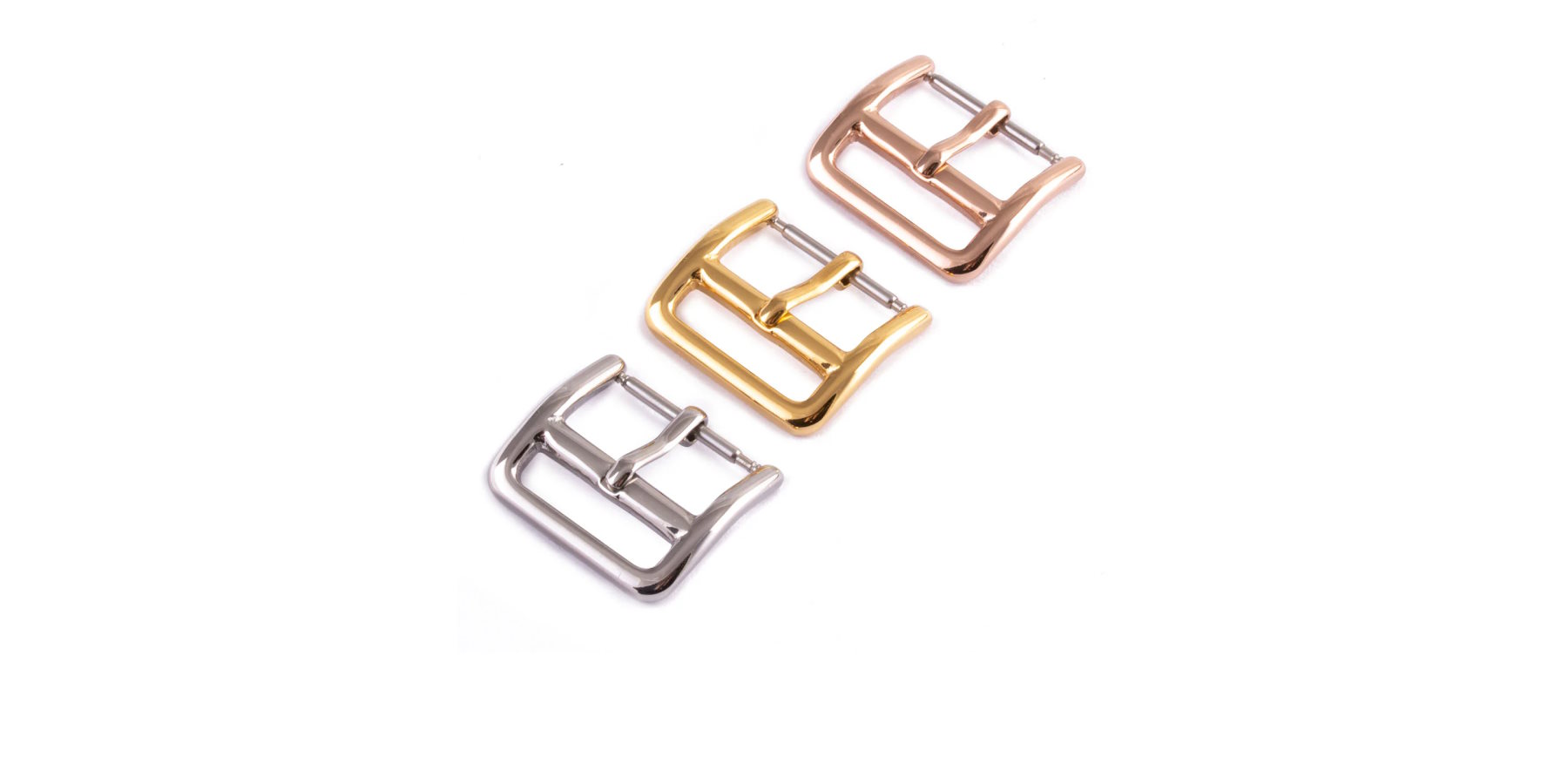
The Deployment Clasp: Modernity in Service of Security and Durability
How Does a Deployment Clasp Work?
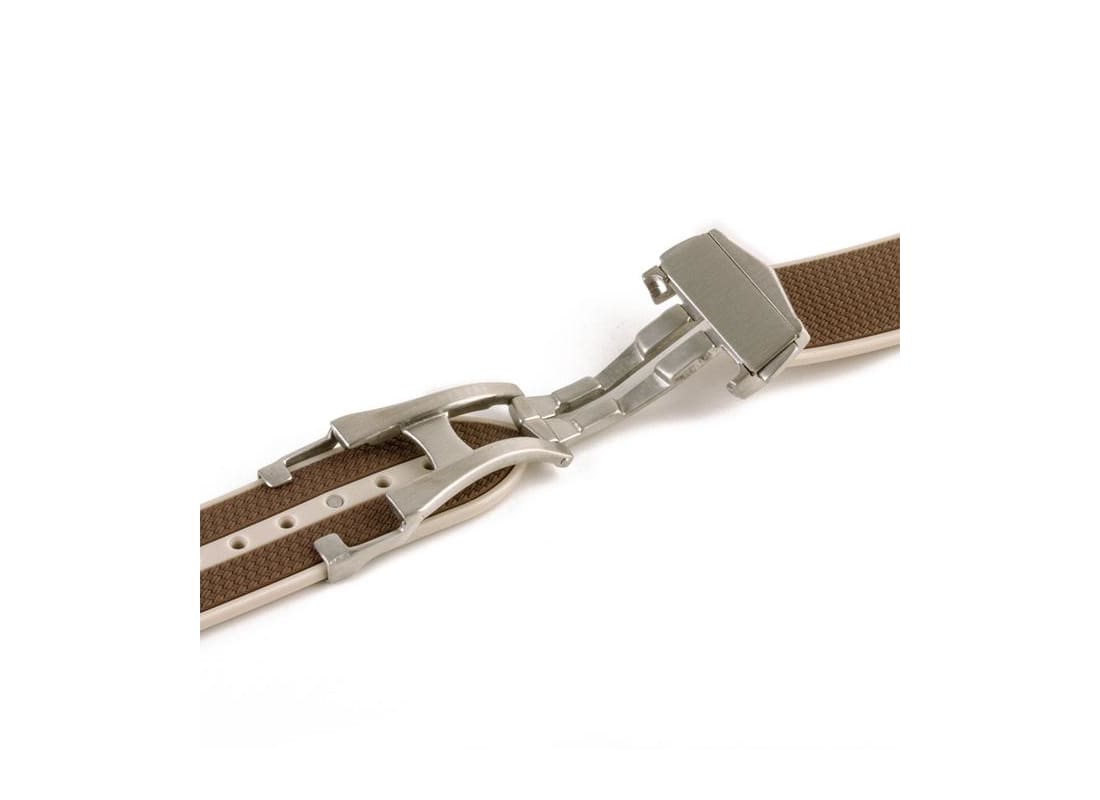
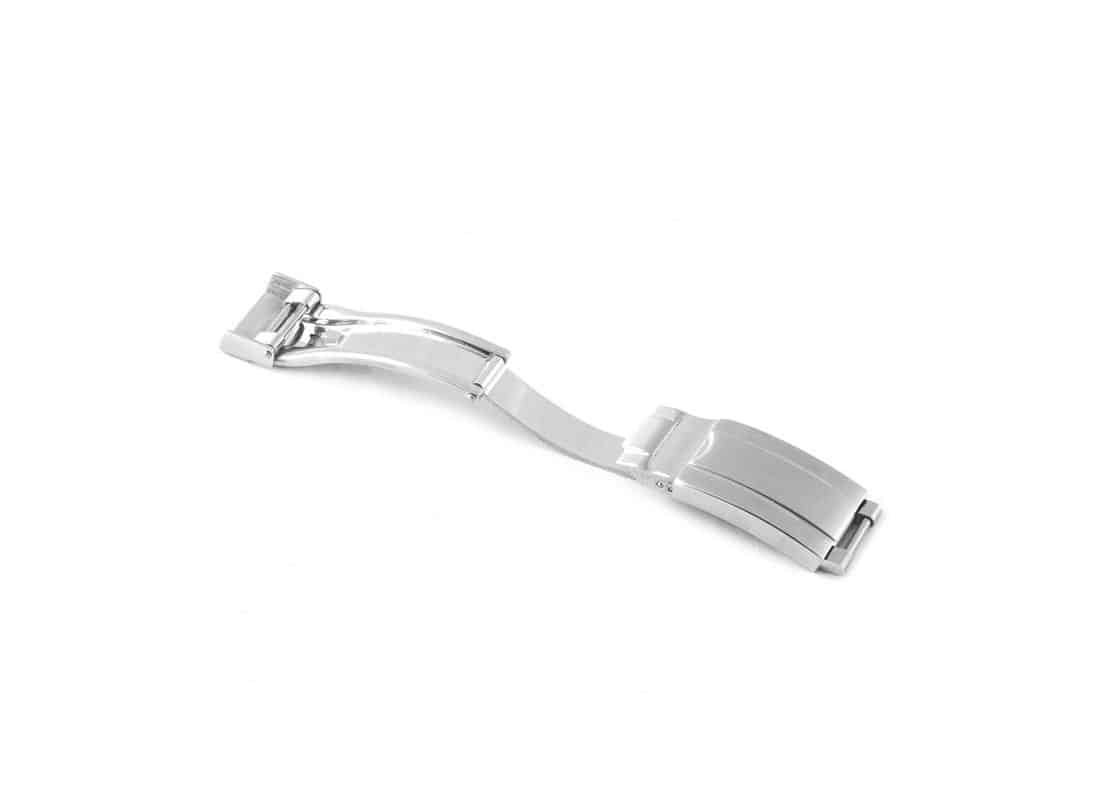
The deployment clasp opens via a hinged “V” or symmetrical mechanism. By pressing the pushers, the arms spread apart to free the space needed for the wrist. Once closed, it forms a continuous loop around the wrist, even when partially open. This system prevents the watch from sliding or falling, a crucial advantage for dynamic activities. Unlike the tang, no hole in the leather is necessary, preserving the strap’s integrity.
The Different Types of Deployment Clasps
Two models dominate the market:
- Single clasp: A single articulation point activated by a pusher or friction. Ideal for daily use, it combines simplicity and security.
- Double clasp (or butterfly): Two articulations synchronized via side pushers. Common on luxury or dive watches, it offers reinforced locking and an elegant symmetrical design.
Materials and Aesthetic Advantages
Deployment clasps adapt to all styles thanks to their varied materials: stainless steel (resistant, common in sports), titanium (lightweight, hypoallergenic), gold/platinum (luxurious), ceramic (scratch-resistant). Finishes (mirror polish, brushed, PVD coatings) influence both aesthetics and practicality, especially in demanding environments like diving.
Preserve Your Strap: A Decisive Advantage
Unlike the tang that marks leather at a fixed point, the deployment clasp distributes tension across the entire strap. This prevents premature wear of precious leathers like alligator or crocodile. An alligator leather strap will thus retain its luster longer. This system is perfect for collectors concerned with preserving their investment, despite a higher price and thickness sometimes poorly suited to slim wrists.
How to Choose the Perfect Watch Clasp for You?
Which Clasp for Which Use?
For intense sports activities, the deployment clasp secures your watch against accidental drops. Its hinged structure remains attached to the wrist even when partially open.
At your desk or for daily use, both options work. The tang buckle, discreet and elegant, adapts to frequent adjustments. The deployment clasp, once adjusted, offers practicality without compromise.
Lovers of luxury or collectible watches often favor the deployment clasp. It protects expensive straps from wear related to repeated holes and adds a modern touch to the ensemble.
For vintage models, the tang buckle remains the dominant aesthetic choice. Its simple design harmonizes perfectly with the retro soul of historic pieces.
Adapt the Clasp to Your Strap Material
Leather straps, precious and fragile, particularly benefit from the deployment clasp. By avoiding repeated folds, it extends their lifespan. Some adjustable deployment clasps even adapt to atypical shapes.
For rubber or silicone straps, both systems work. However, a deployment clasp provides a personalized fit, ideal for slim or irregular wrists.
Fabric models, like NATOs, remain mostly associated with the tang. This system better suits their flexibility and low replacement cost.
| Criterion | Tang Buckle | Deployment Clasp |
|---|---|---|
| Security | Standard security, risk of falling if the tang comes out of the hole | Excellent security: the watch remains attached to the wrist |
| Durability | Less durable: the tang weakens flexible straps through repetitive folding | Better preservation: no repetitive folding thanks to single adjustment |
| Comfort | Very comfortable: thin and lightweight, ideal for small wrists | Good comfort, but can feel thick or cold in metal |
| Ease of Use | Simple but repetitive: daily adjustment via holes | Very quick after initial adjustment: open/close with one click |
| Aesthetics | Classic and understated, perfect for a vintage style | Modern and elegant, symbol of luxury and technicality |
| Cost | Affordable: $10-$50 for a complete strap | More expensive: $20+ for the clasp alone, up to $70+ for a premium model |
The Final Criteria for Making the Right Choice
- Measure the clasp size: Check the width at the attachment point, generally 2mm less than the strap. Common sizes are 18mm, 20mm, or 22mm.
- Evaluate your budget: A tang buckle costs between $7.50 and $15, versus $30 to $60 for a deployment clasp. Consider the latter as an investment for precious models.
- Consider your morphology: Deployment clasps with micro-adjustment are ideal for slim wrists. They avoid poorly placed holes and unwanted watch rotation.