



The history of watchmaking is that of a millennial conquest, which has seen humanity gradually appropriate the territories dedicated to Time. From the invention of the first mechanisms for measuring durations to the development of the most advanced timepieces, the culmination of global and age-old expertise, the history of watchmaking resembles a quest for the Grail where the essence lies less in the final outcome than in the exploration of the mysteries of passing time. Discover everything you need to know in this guide.
Famous Watchmakers
Sundial
Medieval Watchmaking
Marine Chronometer
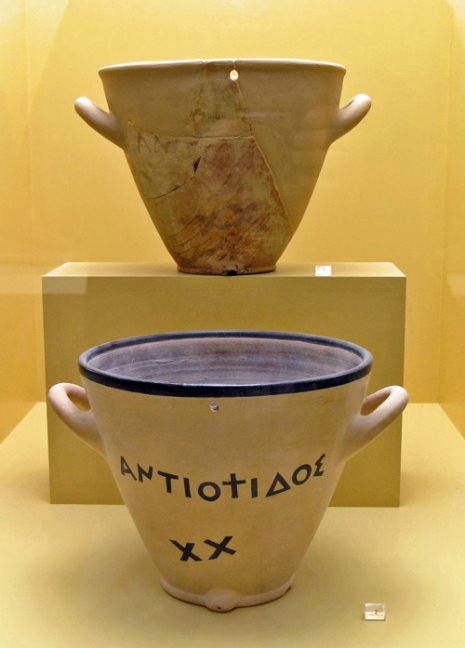
Clepsydra
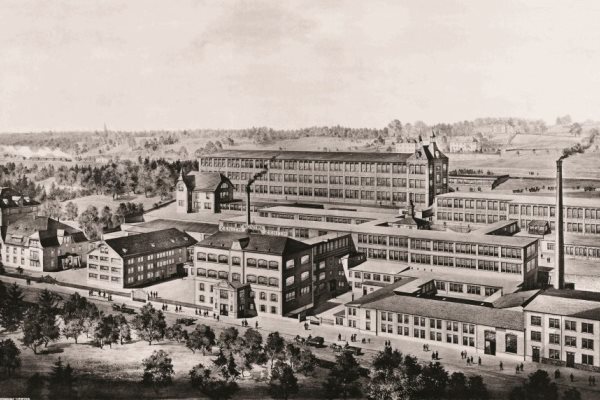
19th Century Watchmaking
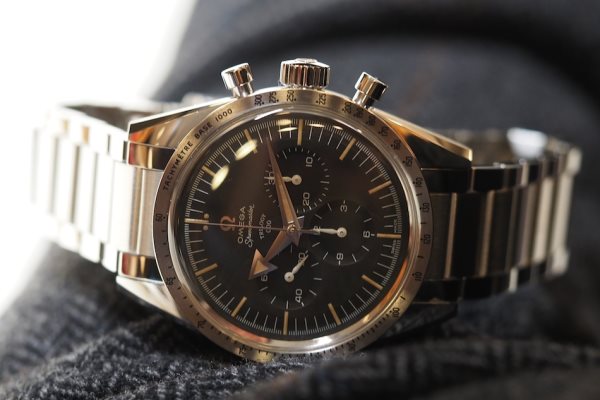
20th Century Watchmaking
The History of Watchmaking: Early Times
If there is one secret that humanity has perpetually sought to master, it is that of Time. Both inconsistent and elusive, yet terribly concrete for us humans who inevitably witness our own aging, Time has fascinated at least as much as the divine nature of the World. That is why its history is at least as much the story of famous watchmakers as it is of the astonishing mechanisms they have bestowed upon humanity.
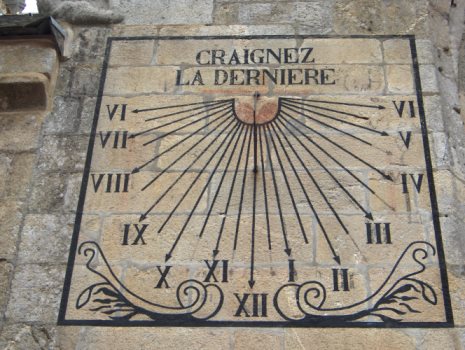
It is not surprising that one must go back to ancient Egypt, around the 15th century BC, to find traces of the very first sundial, an instrument of remarkable craftsmanship that indicates the passage of the day by following the celestial path of the diurnal star, with the aid of a gnomon. The existence of such dials is subsequently attested in several regions of the world, particularly in Hellenistic Greece.
Once humanity became enamored with this strange project – mastering intangible Time – it conceived increasingly advanced mechanisms. While the sundial’s operation is subject to the actual presence of the Sun, other instruments aim to measure durations without having to wait for the beautiful Apollo to deign to leave his abode. This is the case for the clepsydra, or water clock, which allows for the measurement of short durations with more than satisfactory precision. This is also the case for the fire clock, traces of whose use date back to the 6th century BCE in the Far East.
From Clocks to Watches
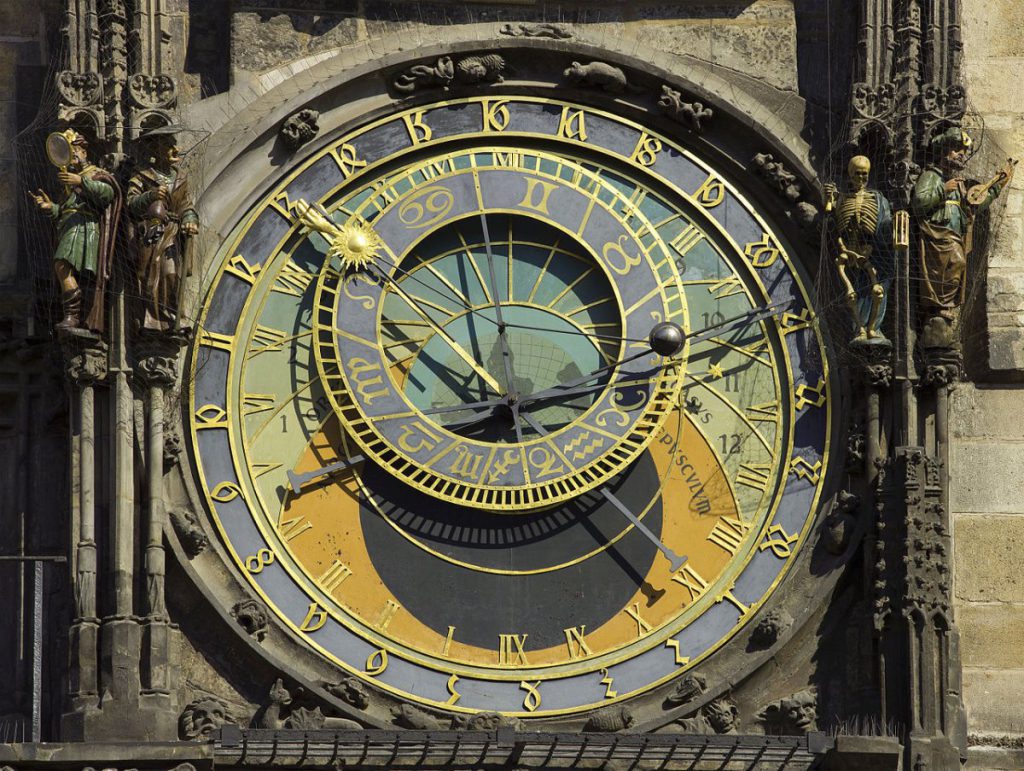
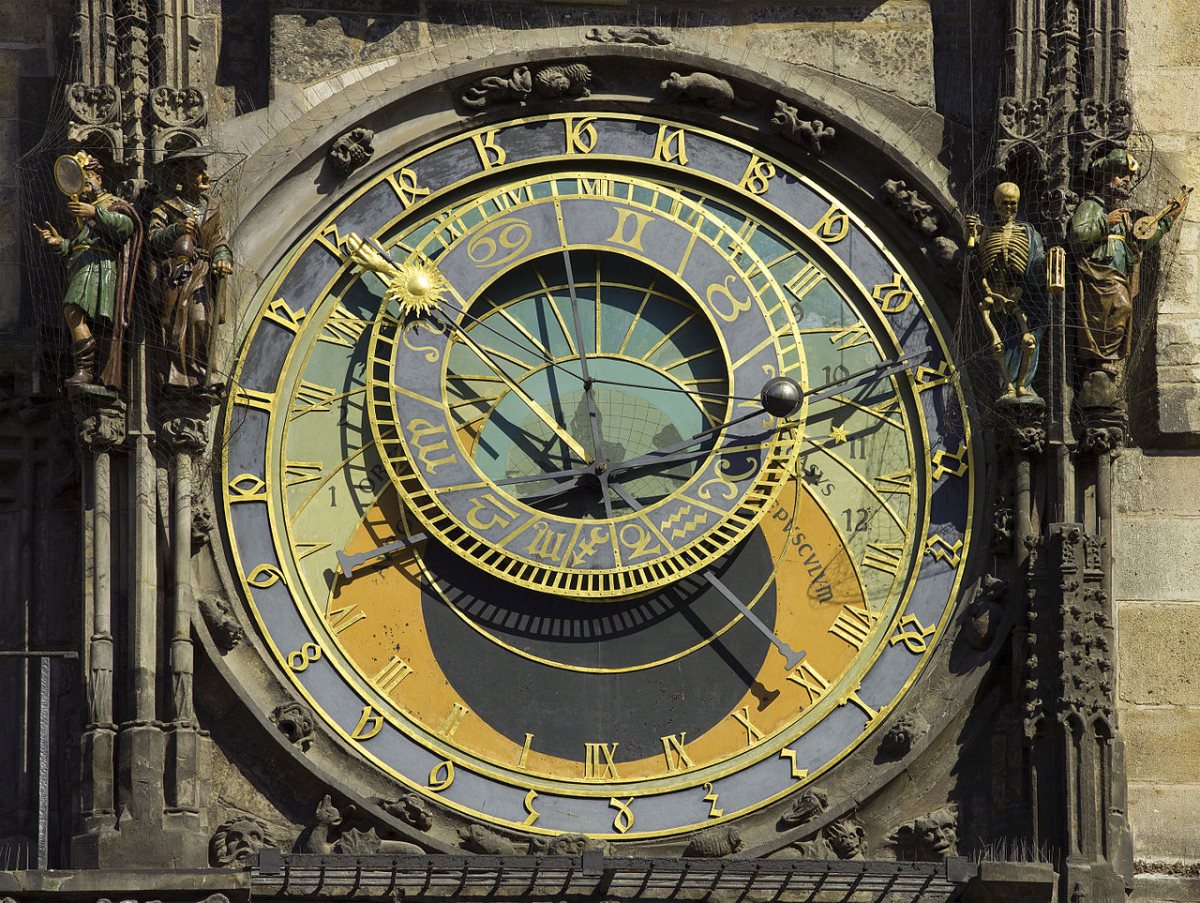
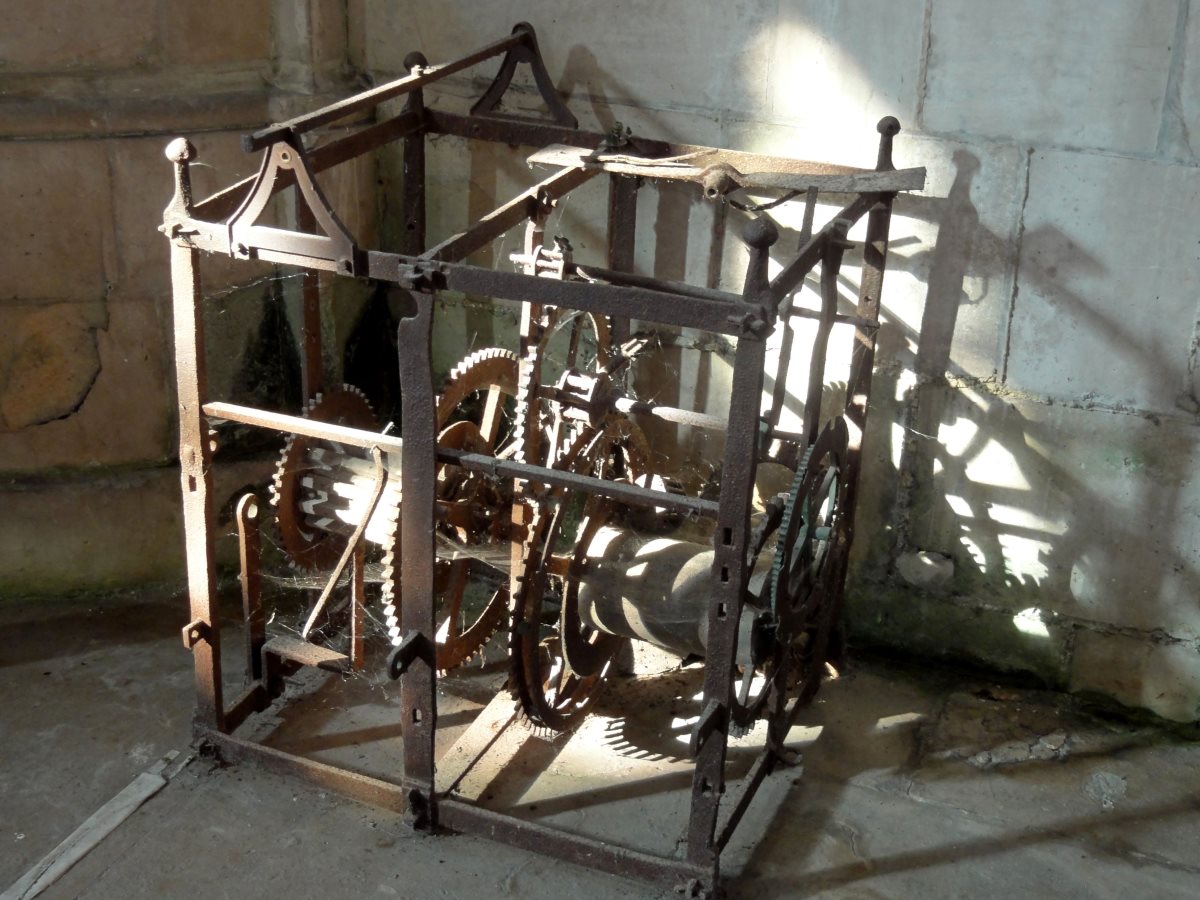
Remarkable as they may be, these mechanisms are necessarily limited, some by the Sun’s goodwill, others to merely measuring durations rather than capturing absolute Time. It was not until the 14th century that medieval Europe made a leap forward in the manufacture of timepieces, with the invention and subsequent installation of the first astronomical clocks, which aimed both to inform about the schedules of religious services or public events and to offer a mechanical vision of the solar system, obviously inspired by Ptolemy’s model.
A crucial period in the history of watchmaking followed, seeing French, then Swiss, artisans strive to develop existing systems and miniaturize them, to the point where they could fit on the tables of the aristocracy. The medieval clock soon became an object of prestige, as refined as it was practical, conceived less for capturing a portion of time than for decorating interiors. This ambition for miniaturization led to the creation of the first models of complicated timepieces and pocket watches, designs intended to impress royal courts and confer renown upon master watchmakers. It is there, in the heart of medieval Europe, that the history of watchmaking truly became the history of watches.
From the Renaissance to the Dawn of the Modern World
The Renaissance period saw the culmination of this movement that transformed clocks into watches. It was also during this era that the center of gravity of European watchmaking gradually shifted towards Switzerland and England, oscillating from one nation to another, while France, due to the revocation of the Edict of Nantes, saw a major part of its most brilliant watchmaking artisans flee. Although Geneva and London were rivals in timepieces, they collectively contributed to initiating the history of modern watches, ushering these mechanisms into the era of precision.
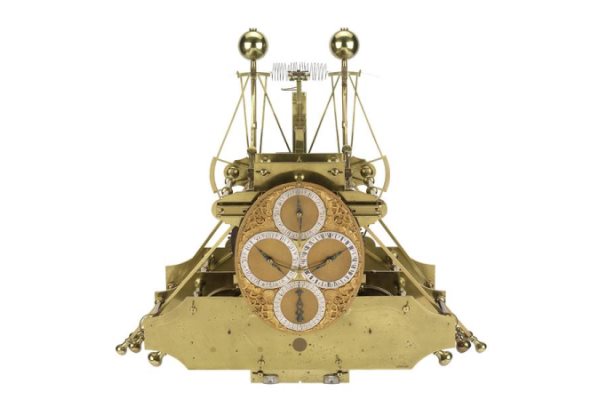
However, the history of watchmaking would undoubtedly not have been the same without the European courts’ appetite for marine chronometers. In the 17th century, the world was still young and yearned to be discovered. Even though the dangers of the oceans did not deter great explorers from embarking, all navigators of the era agreed that maritime travel would be much easier if they could calculate their longitude at any moment. Motivated by the promise of national recognition (and the prospect of a royal bounty), the finest minds of the time set about designing a perfect marine clock. This marked the first stage of a relentless race for mechanical precision.
Like many sectors where invention combines with commerce, watchmaking did not escape the wave of industrialization that swept the globe in the 19th century. With the mechanization of labor, made possible by the development of machine tools, and the division of tasks, Europe entered a period of watchmaking industrialization. 19th-century watchmaking gravitated towards mechanization, and no one could escape it… Not even Swiss artisans, who embarked on this path, not without being pushed by the United States, where the industrial revolution of watchmaking had taken root.
The History of Watches since the 20th Century
The appearance of the wristwatch marks the entry into 20th-century watchmaking. The pocket watch, a faithful jewel of the affluent classes, was gradually replaced by models worn around the wrist, until the end of the First World War relegated the former to antiquity. Henceforth, the timepiece was worn as a bracelet and taken everywhere – in racing cars, in airplane cockpits, and to the most extreme points of the globe, where watches faithfully accompanied our bravest explorers.
Transitioning from the history of clocks to the history of watches, humanity’s quest for Time has always retained its artisanal character: the design of mechanisms is done by hand, in workshops, by specialists. However, in the 20th century, for the first time, this conception of watchmaking as a craft was challenged when the Japanese industry introduced the first quartz watch model, mass-produced by machines. The combination of a new (and thus appealing) mechanism and a reduced price allowed the wider public to access the watch, plunging Switzerland into a terrible quartz crisis around the 1970s. The Swiss Confederation had to adopt an innovative marketing strategy to escape this trap and slowly recover.
However, since then, the landscape has invariably changed. In the third millennium, the history of watches merges with that of technological progress: mechanisms are ever smaller and watches ever more powerful. Today, the world of timepieces oscillates its hands between two facets of the same dial: on one side, objects that seek to integrate the latest technologies (such as smartwatches); and on the other, mechanisms still produced by hand, with a taste for craftsmanship, for an audience that appreciates luxury and exclusivity. Ultimately, is the world not large enough to contain both?
Famous watchmakers
Sundial
Medieval watchmaking
Marine chronometer
Clepsydra
19th century watchmaking
Twentieth century watchmaking
The history of watchmaking is that of a thousand-year-old conquest, which has seen the human race gradually take over the territories devolved to Time. From the invention of the first mechanisms of time flow to the development of the most advanced timepieces, the culmination of a world and millennium know-how, the history of watchmaking is a quest for Grail in which the essential is less the finality than the exploration of the mysteries of passing time.
The History of Watchmaking: the First Time
If it is indeed a secret that Man has perpetually sought to tame, it is that of Time. At the same time inconsistent and elusive, and yet terribly concrete for us humans who we see ineluctably grow old, Time has fascinated at least as much as the divine nature of the World. That’s why its history is at least as much the story of famous watchmakers as the amazing mechanisms they have delivered to humanity.
It is not surprising that we must go back to ancient Egypt, around the fifteenth century BC, to find trace of the very first sundial, an instrument of remarkable manufacture that allows indicate the flow of the day by following the celestial course of the day star, using a gnomon. The existence of such dials is then attested in several regions of the world, including Hellenistic Greece.
Once the man is infatuated with this strange project – mastering the intangible Time – he designs mechanisms that are more and more evolved. If the sundial sees its operation subject to the actual presence of the Sun, other instruments propose to measure durations without having to wait for the beautiful Apollon deign to leave its mark. This is the case of the clepsydra, or water clock, which offers to appreciate short durations with more than satisfactory precision. This is also the case of the fire clock, traces of use of which date back to the sixth century BCE, on the side of the Far East.
From Clocks to Watches
Remarkable though they are, these mechanisms are bound to be limited, some to the good will of the Sun, others to the sole measure of durations rather than the capture of an absolute Time. It was not until the fourteenth century that medieval Europe made a leap forward in the manufacture of timepieces, with the invention and then the installation of the first astronomical clocks, which at the same time aim at informing about service schedules. religious or public events, and to offer a mechanical vision of the solar system, obviously inspired by the model of Ptolemy.
Then follows a crucial period in the history of watchmaking, which sees French craftsmen, then Swiss, seek to develop existing systems and miniaturize them, until they are held on the tables of the aristocracy. The medieval clock soon becomes an object of prestige, as refined as practical, thought less to capture a portion of time than to decorate the interiors. This ambition of miniaturization will push up the making of the first models of complicated timepieces and pocket watches, models imagined to impress the royal courts and to confer renown on master watchmakers. It is here, in the hollow of medieval Europe, that the history of watchmaking becomes, strictly speaking, the history of watches.
From the Renaissance to the Dawn of the Modern World
The Renaissance period sees the culmination of this movement that turns clocks into watches. It was also at this time that the center of gravity of European watchmaking moved gradually towards Switzerland and England, oscillating from one nation to another, while France, thanks to the revocation of the Edict of Nantes, sees fled a majority of its most brilliant watchmaking craftsmen. Geneva and London may be competing in timepieces, but together they have helped launch a history of modern watches, bringing these mechanisms into the era of precision.
But no doubt the history of watchmaking would not have been the same without the appetite of European courts for marine clocks. In the seventeenth century, the world is still young and needs to be discovered. Although the dangers of the oceans did not prevent great explorers from embarking, all navigators of the time agreed that the maritime movements would be much easier if they could calculate their longitude at any moment. Motivated by the promise of national recognition (and by the prospect of a royal bonus), the best minds of time set about designing a perfect marine clock. This is the first step in a race to mechanical precision that will not stop.
Like many sectors where invention is combined with commerce, that of watchmaking does not escape the wave of industrialization that affects the planet in the nineteenth century. With the mechanization of work, made possible by the development of machine tools and the division of tasks, Europe is entering a period of industrialization of watchmaking. Nineteenth-century watchmaking tends towards mechanization, and no one can escape it … Not even the Swiss artisans who take this route, not without having been pushed by the United States, where the industrial revolution of the watchmaking took root.
The History of Watches since the 20th Century
The appearance of the wristwatch determines the moment of entry into the watchmaking of the twentieth century. The pocket watch, a faithful jewel of the well-to-do classes, is gradually being replaced by models attached around the wrist, until the end of the First World War relegated the former to the state of antiquity. Now, the timepiece is worn as a bracelet and can be seen everywhere – in racing cars, in airplane cockpits, and up to the most extreme points on the globe, where watches faithfully accompany our bravest explorers.
By passing from the history of clocks to the history of watches, the human quest of Time has always kept its artisanal particularity: the design of mechanisms is done by hand, in workshops, by specialists. But in the twentieth century, for the first time, this concept of watchmaking as a craft is questioned, when the Japanese industry presents a first model of quartz watch, made to the chain by machines. The alliance of a new (and therefore attractive) mechanism and a reduced price allows the greatest number to access the watch object, and plunges Switzerland into a terrible crisis of quartz around the 70s. to the Swiss confederation adopt an innovative marketing strategy to get out of this trap and slowly climb the slope.
But, since then, the landscape has invariably changed. In the third millennium, the history of watches merges with that of technological progress: mechanisms are always smaller and watches ever more powerful. Today, the world of timepieces oscillates its needles between two sections of the same dial: on one hand, objects that seek to integrate the latest technologies (such as smartwatches); and on the other hand, mechanisms still produced by hand, with a taste for craftsmanship, for an audience that tastes luxury and exception. Finally, is not the world big enough to hold both of them together?