

Recognized by UNESCO for its ‘watchmaking town planning,’ alongside its neighbor La Chaux-de-Fonds, the town of Le Locle, in the Swiss canton of Neuchâtel, fully embraces its horological history. And rightly so, as the ‘city of precision’ is known as the cradle of Swiss watchmaking, notably thanks to the advancements made by Daniel JeanRichard. This heritage is even reflected in the layout of its streets.
With its 10,000 inhabitants and its freezing winter climate (regularly reaching -30 degrees), this border town near Villers-le-Lac, in the French department of Doubs, nestled in the Swiss Jura mountains, might never have gained fame if watches and clocks had not played such a significant role. However, the dominance of precision mechanisms was such that, driven by the multiplying workshops, the town quickly transformed into a true watchmaking city. In the early 19th century, three unfortunate fires in quick succession partially destroyed the municipality, prompting authorities to completely redesign its urban planning: from then on, it would be focused exclusively on clock production, as if the town itself were becoming a production tool.
This remarkable example of urban planning organized around a single-industry activity was recognized by UNESCO, which inscribed the watchmaking town planning of Le Locle on the World Heritage List in 2009, alongside its neighbor La Chaux-de-Fonds. In these two towns, the progress and needs of watchmaking industrialization transformed the very layout of the neighborhoods: an open checkerboard pattern forming parallel strips; working-class districts housing the large workforce required for watch and clock manufacturing; and buildings designed to serve as both workshops and residences.
Far from relegating this horological heritage to the past, Le Locle continues to promote its watch culture throughout the Jura mountains. Timepiece enthusiasts are invited to participate in numerous activities, including a Watchmaking Trail. This 39-step route starts from the Place du Marché, exploring the town and its heritage dedicated to watch creators of yesterday and today, before concluding with a guided tour of the Watchmaking Museum located at the Château des Monts. Inside, ticking wonders await lovers of precision: collections of clocks and watches, tools and machines, mechanisms and automatons. All displayed in a magnificent Louis XVI-style residence, formerly owned by a local master watchmaker.
Furthermore, in collaboration with La Chaux-de-Fonds, Le Locle has hosted an annual Watchmaking Heritage Biennale since 2010. This provides an additional opportunity to visit the buildings and workshops that forged Le Locle’s heritage, as well as to step inside the most modern manufactures.
Today, Le Locle’s economy continues to thrive—clockwise, of course. The oldest and most renowned workshops (Audemars Piguet, Tissot, Rolex, Ulysse Nardin, Zenith) stand alongside recently established companies (Jossi, established in the city of precision in 1974), and manufacturers of sophisticated mechanisms are located near dial designers and other engravers (such as Metalem or Jean Singer & Cie). Even the watches pay tribute to the town: launched for Tissot’s 150th anniversary, the Tissot Le Locle Automatic honors the timepieces that preceded it.
And because tradition deserves to be perpetuated, Le Locle also oversees the training of future local master watchmakers through two institutions: the Haute École Arc Ingénierie and the Technical School of Le Locle, also known as the Interregional Training Center of the Neuchâtel Mountains (Cifom-ET), founded in 1868 and divided into a vocational school, a technical professional school, and a higher technical school.
In Le Locle, the watchmaking tradition is a mechanism that engages all its gears to keep running. And, like Time itself, this mechanism is not about to stop.
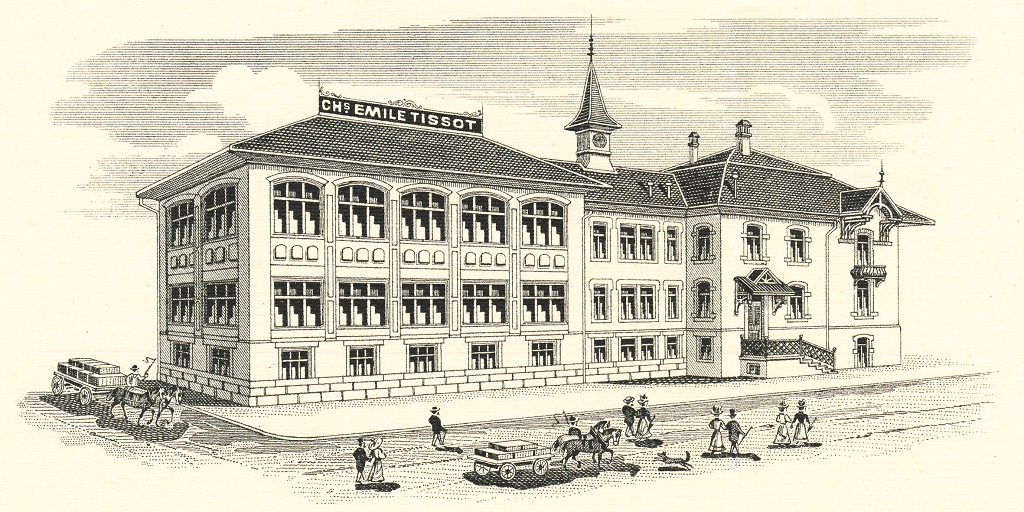 Town planning adapted to watchmaking industrialization
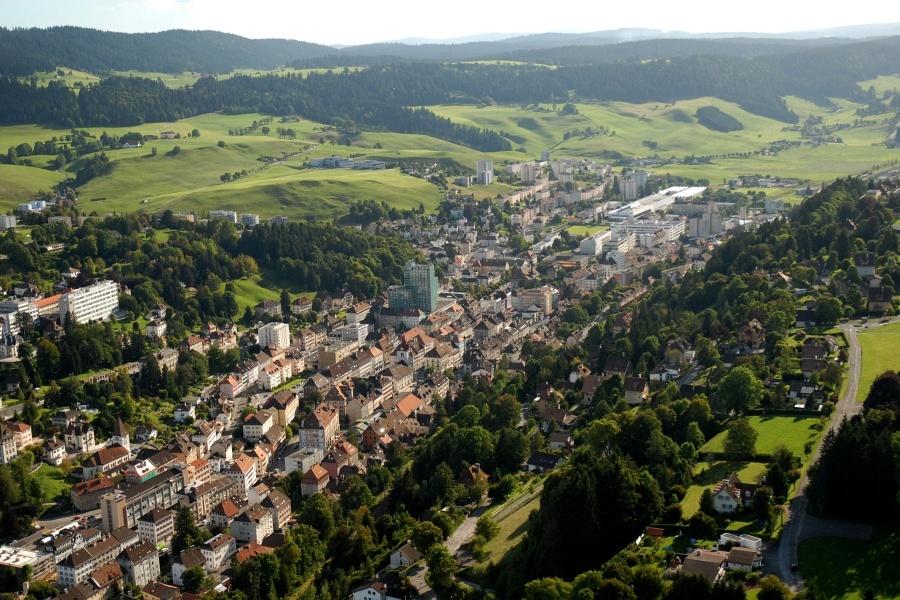 A heritage more alive than ever
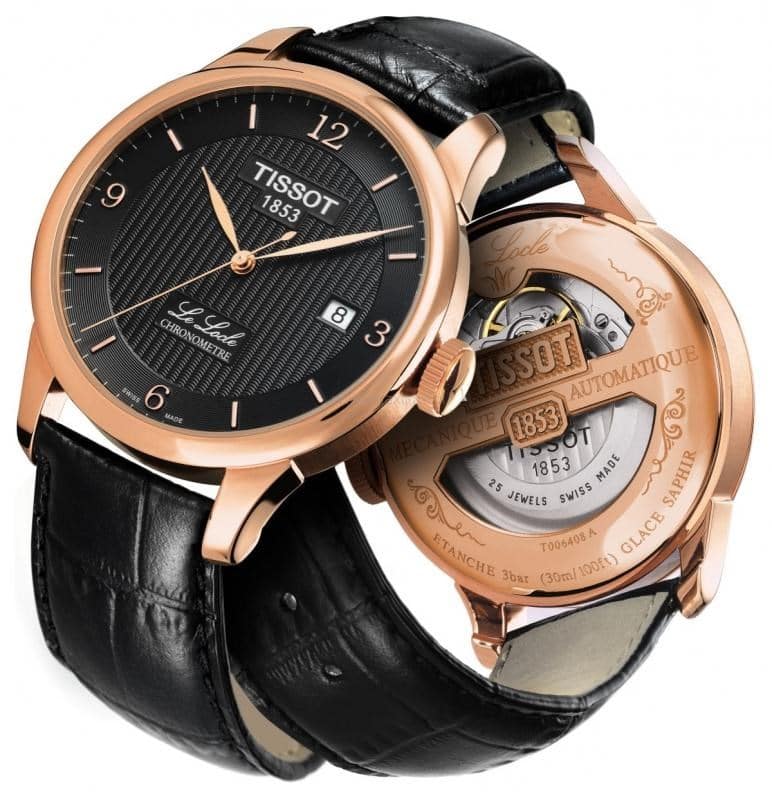 Le Locle perpetuates its great watchmaking tradition