

The most renowned Swiss watch brands have made their home in a small, secluded valley in the heart of the Swiss Jura, in a territory where the number of jobs exceeds the number of inhabitants. Welcome to the Vallée de Joux, a place outside of time that has quietly established itself as an essential territory dedicated to watchmaking.
In addition to the watch manufactures present in the Vallée de Joux, enthusiasts of timepieces and precision mechanisms can enjoy the two major attractions of this small territory: the Espace Horloger and the Watchmaking Initiation Centre.
In the town of Le Sentier, the Espace Horloger de la Vallée de Joux welcomes both connoisseurs and novices. The museum is nestled inside a building constructed in 1917 at the request of the Zenith company, purchased by the town in 1979, and transformed, thanks to the teachers of the Technical School, into a home for the Espace Horloger in 1996. Since then, the territory’s main watchmaking attraction has offered visitors unique presentations on the history of Swiss and world watchmaking, its various professions, and the secrets of watch design, all using innovative and interactive media that embody the site’s educational mission. It is also a way for the Espace Horloger to assert its personality, not in competition with, but as a complement to the many museums and historical sites dedicated to watchmaking that abound in the Jura Arc.
Inside a carefully restored former watchmaking farmhouse, one enters the Watchmaking Initiation Centre. Inside, its founder, an independent manufacturer named Olivier Piguet, aims to open watchmaking knowledge to the general public, starting by revealing the heart of watches to the audience. During this journey into the deepest secrets of the trade, visitors are invited to disassemble and then reassemble a complete mechanical watch movement. It is an opportunity to discover the myriad subtleties of its operation through an educational approach designed for everyone, not just seasoned experts. All this in a picturesque setting with a legendary atmosphere.
Through its watchmaking attractions and its still-active workshops, the Vallée de Joux has maintained its status as a global benchmark in watch manufacturing—all while never losing track of time.
The Vallée de Joux, a Territory Unique in the World
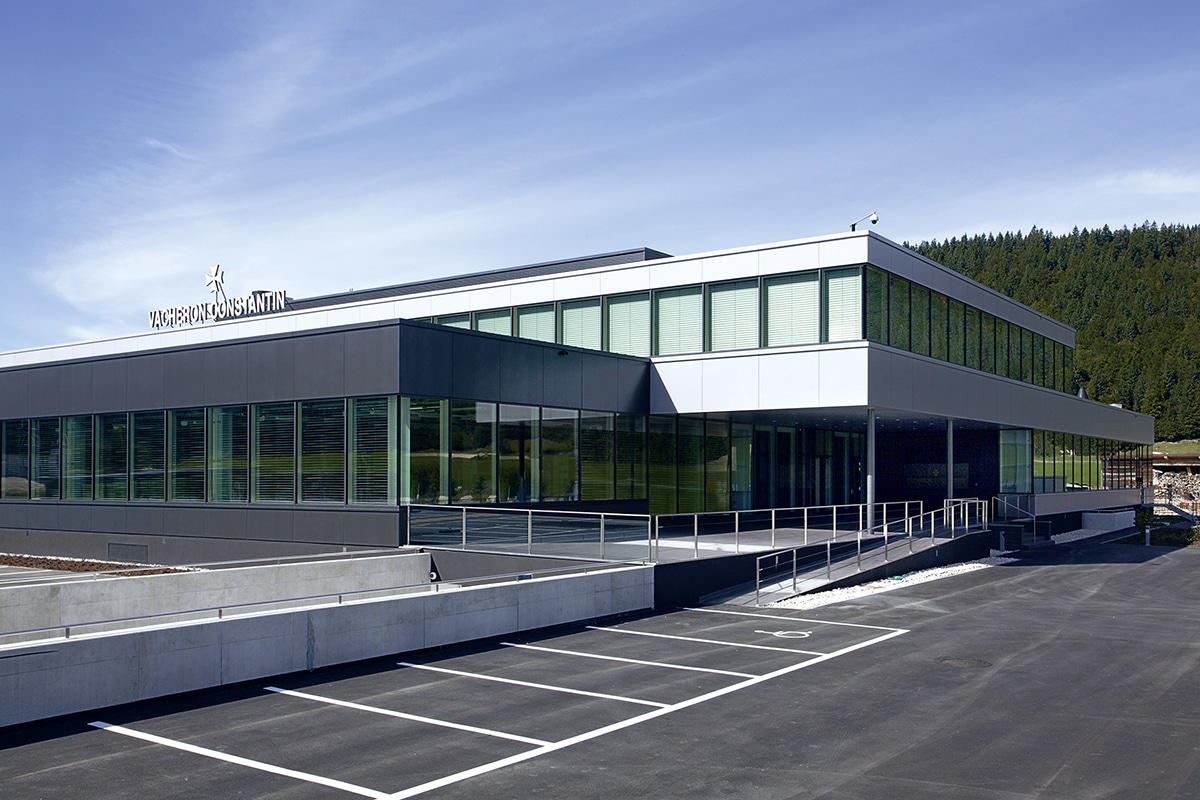
Between mountains and pastures, between hills and coniferous forests, lies a deep valley with winters so harsh it is known as the Vaud Siberia: the Vallée de Joux. Here, in a territory just a few kilometers long, some of the world’s most famous timepiece manufactures were born: Audemars Piguet and Jaeger-LeCoultre. While they are still there, others have joined the list, such as Breguet, Blancpain, Patek Philippe, and Vacheron Constantin, particularly during the watchmaking industrialization of the late 19th century. And for good reason: for over two centuries, no one has been able to challenge the Vallée de Joux’s status as the “cradle of high-end mechanical watchmaking,” a title it bears with pride. Paradoxically, the Vallée de Joux owes this prosperity to its extreme isolation. Two centuries ago, the entire valley was cut off from the world during the winter season due to extreme cold and abundant snow. Confined within four walls, the inhabitants, who spent their warmer months working the fields, began to design and manufacture watch parts, which they then traded in the rest of the country once the fair weather returned. Watchmaking in the heart of this deep valley is much more than a standard business: it is a heritage skill, forged within the workshops of the artisans of yesteryear, of which the world-famous manufactures are the heirs. It is an expertise passed down from father to son, with a precision matched only by the exactness of the movements required to craft clocks and watches. This virtuosity has even influenced the facades of the buildings themselves, whose architecture reflects the timepieces so well. For this reason, a large portion of the 7,000 jobs in the Vallée de Joux (for 6,600 inhabitants), notably held by a cross-border workforce (some 4,000 French nationals make the trip every day for work), keeps the production and assembly workshops of the most expensive watches on the planet running.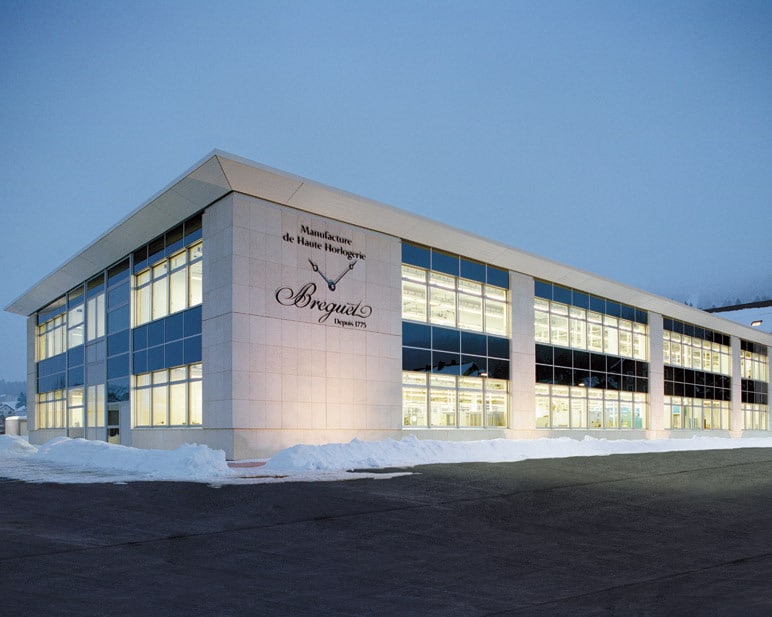 Watchmaking Attractions of the Vallée de Joux
In addition to the watch manufactures present in the Vallée de Joux, enthusiasts of timepieces and precision mechanisms can enjoy the two major attractions of this small territory: the Espace Horloger and the Watchmaking Initiation Centre.
In the town of Le Sentier, the Espace Horloger de la Vallée de Joux welcomes both connoisseurs and novices. The museum is nestled inside a building constructed in 1917 at the request of the Zenith company, purchased by the town in 1979, and transformed, thanks to the teachers of the Technical School, into a home for the Espace Horloger in 1996. Since then, the territory’s main watchmaking attraction has offered visitors unique presentations on the history of Swiss and world watchmaking, its various professions, and the secrets of watch design, all using innovative and interactive media that embody the site’s educational mission. It is also a way for the Espace Horloger to assert its personality, not in competition with, but as a complement to the many museums and historical sites dedicated to watchmaking that abound in the Jura Arc.
Inside a carefully restored former watchmaking farmhouse, one enters the Watchmaking Initiation Centre. Inside, its founder, an independent manufacturer named Olivier Piguet, aims to open watchmaking knowledge to the general public, starting by revealing the heart of watches to the audience. During this journey into the deepest secrets of the trade, visitors are invited to disassemble and then reassemble a complete mechanical watch movement. It is an opportunity to discover the myriad subtleties of its operation through an educational approach designed for everyone, not just seasoned experts. All this in a picturesque setting with a legendary atmosphere.
Through its watchmaking attractions and its still-active workshops, the Vallée de Joux has maintained its status as a global benchmark in watch manufacturing—all while never losing track of time.