
The history of watchmaking is that of a millennial conquest, which has seen humankind gradually appropriate the territories devoted to Time. From the invention of the first mechanisms for measuring durations to the development of the most advanced timepieces—culminations of a global, age-old expertise—the history of watchmaking resembles a quest for the Holy Grail in which the essential element is less the end goal than the exploration of the mysteries of passing time. Discover everything you need to know in this guide.
The History of Watchmaking: The Early Days
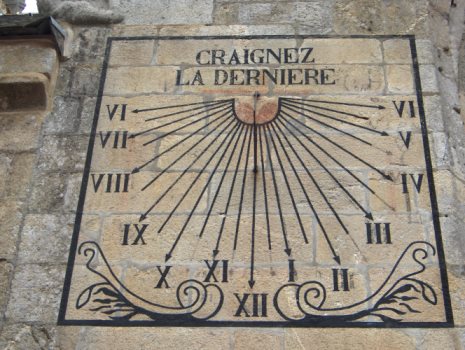
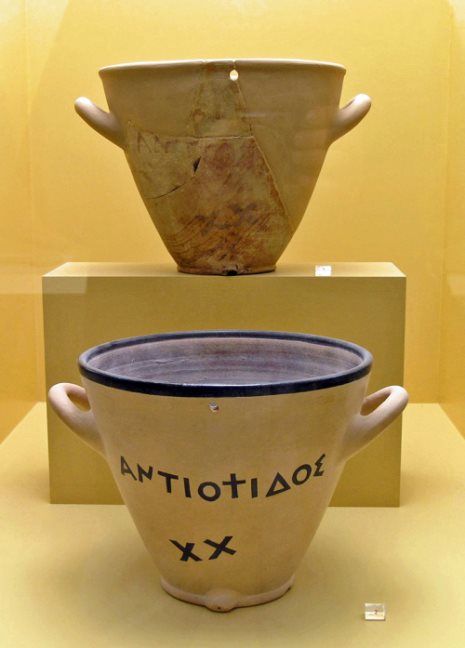
If there is one secret that Man has perpetually sought to master, it is surely that of Time. At once insubstantial and elusive, yet terribly concrete for us humans who see ourselves inexorably age, Time has fascinated at least as much as the divine nature of the World. This is why its history is as much that of celebrated watchmakers as of the astonishing mechanisms they have delivered to humanity. It is not surprising that one must go back to ancient Egypt, around the 15th century BC, to find traces of the very first sundial, an instrument of remarkable construction that indicates the passage of the day by following the celestial course of the diurnal star, using a gnomon. The existence of such dials is subsequently attested in several regions of the world, notably in Hellenistic Greece. Once man became enamored of this strange project—mastering intangible Time—he conceived increasingly sophisticated mechanisms. While the sundial’s operation is subject to the actual presence of the Sun, other instruments propose to measure durations without having to wait for fair Apollo to deign to leave his lair. This is the case with the clepsydra, or water clock, which offers the ability to appreciate brief durations with more than satisfactory precision. This is also the case with the fire clock, traces of whose use date back to the 6th century BC, in the Far East.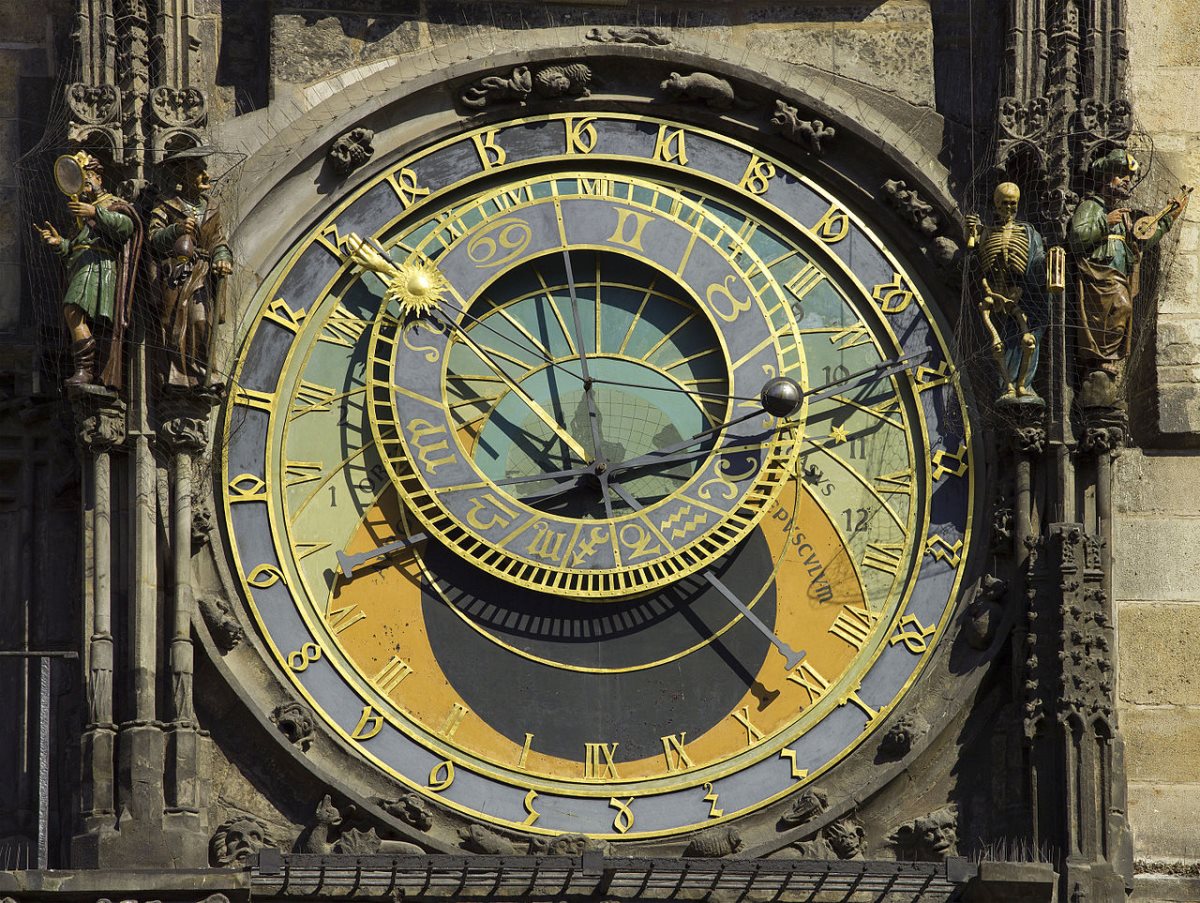
From Clocks to Watches
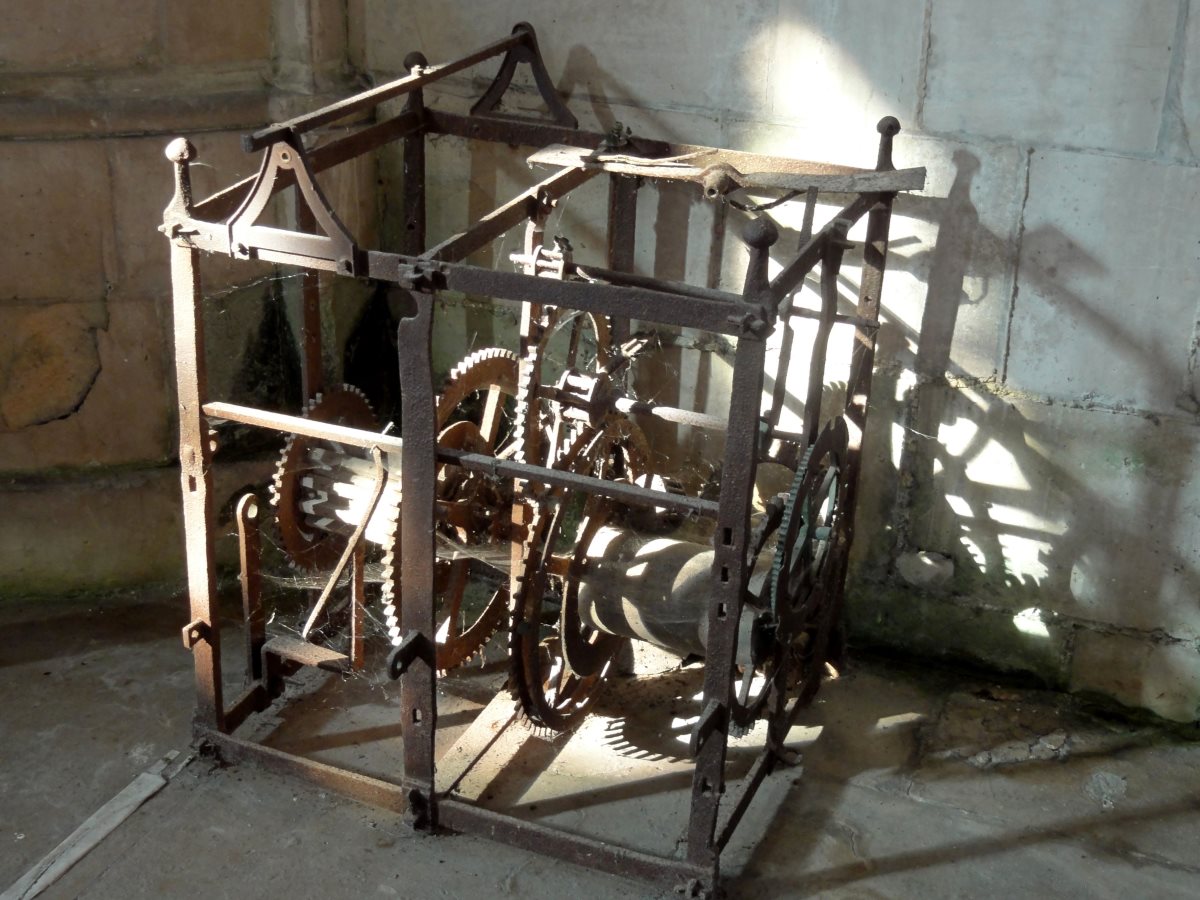
Remarkable as they are, these mechanisms remain necessarily limited—some to the Sun’s good will, others to the mere measurement of durations rather than the capture of absolute Time. One must wait until the 14th century for medieval Europe to make a leap forward in the manufacture of timepieces, with the invention and installation of the first astronomical clocks, which aim simultaneously to inform about the schedules of religious services or public events, and to offer a mechanical vision of the solar system, obviously inspired by Ptolemy’s model. There follows a crucial period in the history of watchmaking, which sees French, then Swiss, artisans seeking to develop existing systems and miniaturize them, until they can fit on the tables of the aristocracy. The medieval clock soon becomes a prestige object, as refined as it is practical, conceived less to capture a portion of time than to decorate interiors. This ambition of miniaturization extends to the creation of the first models of complicated timepieces and pocket watches, models imagined to impress royal courts and to confer renown upon master watchmakers. It is there, in the heart of medieval Europe, that the history of watchmaking becomes, properly speaking, the history of watches.From the Renaissance to the Dawn of the Modern World
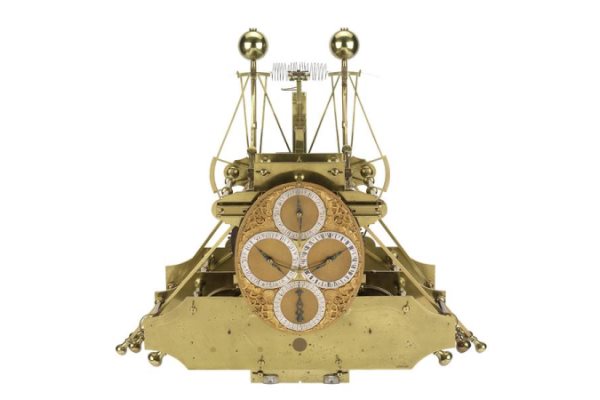
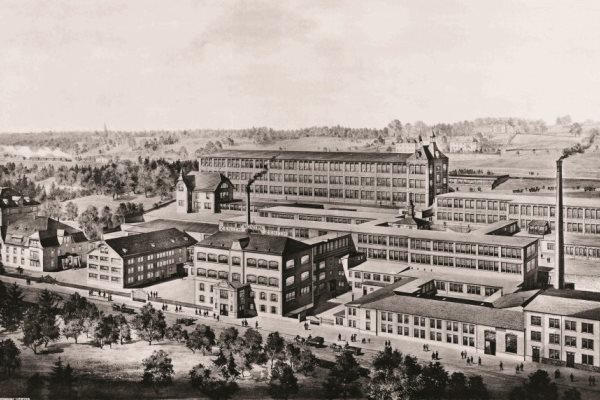
The Renaissance period sees the culmination of this movement that transforms clocks into watches. It is also during this era that the center of gravity of European watchmaking gradually shifts toward Switzerland and England, oscillating from one nation to the other, while France, following the revocation of the Edict of Nantes, sees a major portion of its most brilliant watchmaking artisans flee. Geneva and London may be competitors in the matter of timepieces, but together they contributed to launching the history of modern watches, by bringing these mechanisms into the era of precision. But undoubtedly the history of watchmaking would not have been the same without the appetite of European courts for marine chronometers. In the 17th century, the world is still young and demands to be discovered. Even though the dangers of the oceans have not prevented great explorers from embarking, all navigators of the era agree that maritime travel would be far easier if it were possible for them to calculate their longitude at any moment. Motivated by the promise of national recognition (and by the prospect of a royal prize), the finest minds of the time set about conceiving a perfect marine chronometer. This is the first stage of a race for mechanical precision that will never cease. Like numerous sectors where invention combines with commerce, that of watchmaking does not escape the wave of industrialization that affects the planet in the 19th century. With the mechanization of labor, made possible by the development of machine tools, and the division of tasks, Europe enters a period of industrialization of watchmaking. Nineteenth-century watchmaking tends toward mechanization, and no one can escape it—not even the Swiss artisans who engage in this path not without having been pushed by the United States, where the industrial revolution in watchmaking took root.