

The history of watchmaking is not only the story of the discoveries and inventions that punctuated it; it is, above all, the story of the men who built it, little by little, through the design of new mechanisms and the development of new marketing methods. Here is a non-exhaustive overview of the famous watchmakers who enabled this history to take shape to the rhythm of passing time, and of the flashes of creative genius that made them major figures in the watchmaking world.
The men who changed the course of watchmaking history
They were architects, astronomers, geometers, mathematicians, and physicists. What they all had in common was that they were also—and above all—famous watchmakers. Driven by the notion of measuring time, at once brilliant discoverers and ingenious inventors, the watchmaking figures who helped profoundly transform the nature of clocks and watches worked toward universal aims: measuring time with ever-greater accuracy; producing higher-performing mechanisms; developing refined and/or avant-garde aesthetics; and designing production and marketing processes aimed at greater efficiency. We have divided them into two categories: inventors and businessmen.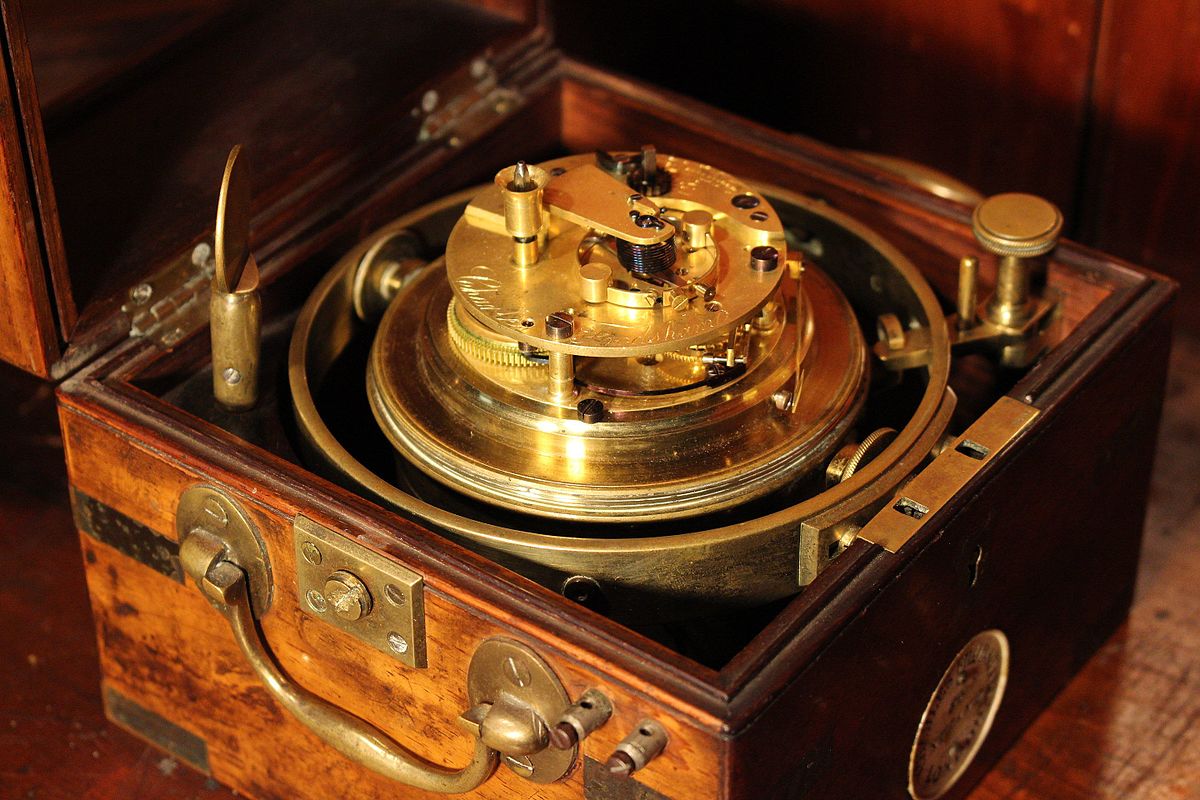
The inventors
Watchmaking was born of the individual talent of certain men who defied the laws of physics to offer their fellow human beings—like modern-day Prometheuses—a tool for measuring time. These watchmaking figures devised mechanisms of ever-greater precision in order to achieve this objective: capturing, on a dial, the passage of hours and minutes. The anchor escapement (Robert Hooke, 1670), the cycloidal pendulum for clocks, and the balance spring for watches (Christian Huygens, late 17th century) all moved in this direction. These famous watchmakers have remained in memory as pioneers. But in parallel, in the Swiss Jura, another man was laying the foundations of watchmaking as an industry: Daniel Jeanrichard, with his modern vision of the division of labour and the sharing of tasks in the field of watchmaking. Among famous watchmaker-inventors, there were many others thereafter: those who worked tirelessly on the development of marine chronometers (George Graham, designer of the mercury pendulum that bears his name; John Harrison), and those who worked on more advanced mechanisms for traditional watches and clocks (the Frenchman Julien Le Roy and his equation clock). Mention should also be made of the experimenters and theorists who, not content with advancing the science of clocks, contributed to its longevity (Ferdinand Berthoud, inventor of the detent escapement and author of numerous works). But watchmaking could not be—and never was—only a matter of mechanisms. Beauty and mystery also had to be infused into it. This is what, each in his own way, the Swiss Pierre Jaquet-Droz did, designer of fantastic automata that were taken for sorcery, and Abraham-Louis Breguet—famous among famous watchmakers—who created works that were fundamentally original and elegant. Inventor of the tourbillon, the lever escapement with split impulse surfaces, and the “Breguet” balance spring, he is undoubtedly the watchmaking figure who brought his art into the modern era, as early as the 18th century.The businessmen
Beyond its inventions, watchmaking is also shaped by its brands. This is because famous watchmakers founded manufactures that became just as renowned. Thus, watchmaking figures are also those who founded brands known across the globe, and who knew how to take the industry head-on in order to alter its course—sometimes in times of crisis. It was Hans Wilsdorf, German by birth and British by adoption, who gave life to his ambitions in the form of a brand renowned to the ends of the earth, a symbol of the universality of the wristwatch: Rolex. It was also the presence of mind and commercial intelligence of a Nicolas Hayek who, in the midst of the most severe crisis the Swiss watch industry had ever experienced, at the turn of the 1970s, responded to the threat of the quartz watch by pooling efforts (the creation of the Swiss Corporation for Microelectronics and Watchmaking) and by the decisive launch of a small watch now more famous than most of the watchmaking figures cited above: the Swatch.Timeline of famous watchmakers
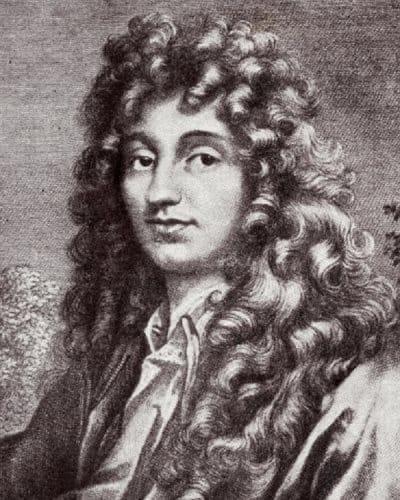
Christian Huygens (1629–1695). An astronomer, mathematician, and physicist, Huygens was one of the pioneers in the field of chronometric precision. He designed numerous innovative mechanisms, such as the pendulum clock, and discovered a great many astronomical principles before he had crossed the age of 30.
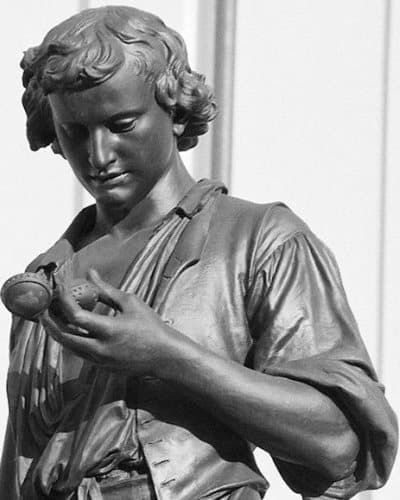
Daniel Jeanrichard (1665–1741). A self-taught genius born in the mountains of the Swiss Jura, Jeanrichard remains a figure shrouded in mystery. Having initiated the watchmaking industry around Neuchâtel with a clear talent for mechanical innovation, he was mythologised soon after his death by his watchmaking successors, keen to assert Swiss know-how against the English.
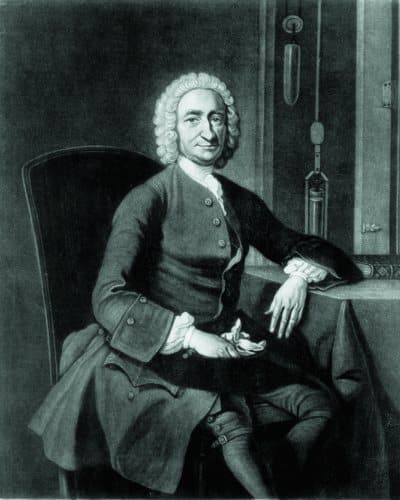
George Graham (1673–1751). Graham was one of the greatest watchmakers in 18th-century England—and of all time. Having invented the deadbeat anchor escapement and the mercury pendulum, he was admitted to the Royal Society of London.
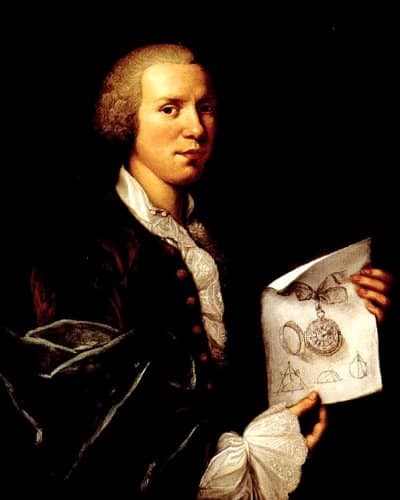
Ferdinand Berthoud (1727–1807). The Swiss-born Berthoud became known for the quality of his watchmaking work throughout a career divided between Switzerland, France, and England. He also published numerous works devoted to the art of watchmaking.
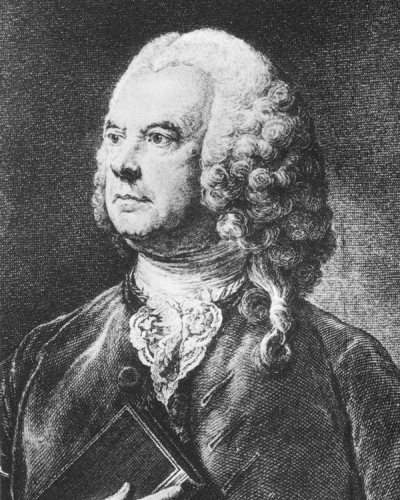
Julien Le Roy (1686–1759). Inventor of the horizontal clock, Julien Le Roy helped bring French watchmaking back to the forefront at a time when the British dominated the sector.
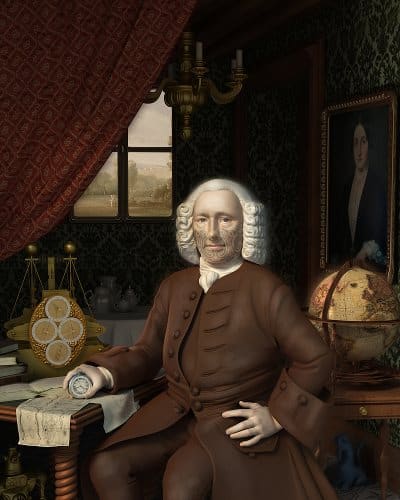
John Harrison (1693–1776). A cabinetmaker and great English watchmaker, entirely self-taught, Harrison revolutionised the field of clocks and marine chronometers.
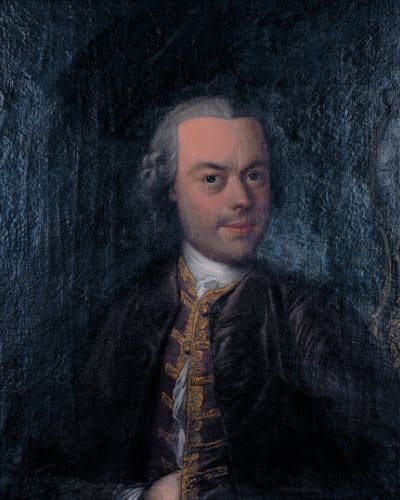
Pierre Jacquet-Droz (1721–1790). A watchmaking genius and pioneer of mechanical calculation, the Swiss Jaquet-Droz, with the help of his son, conquered the world by presenting his famous automata and other remarkable, playful mechanisms, full of surprises.
Abraham-Louis Breguet (1747–1823). Born in Switzerland and a pupil of Ferdinand Berthoud, Breguet excelled in the invention and refinement of watch movements. From the famous tourbillon to the marine chronometer, Breguet’s science benefited the entire watchmaking world.
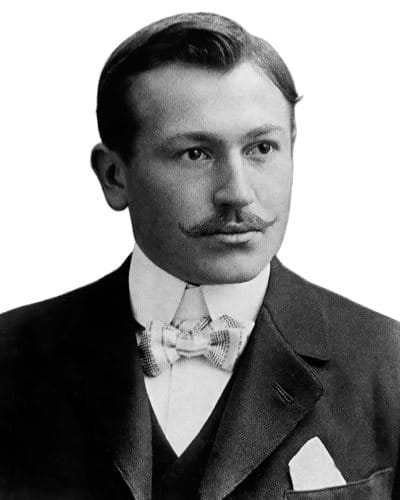
Hans Wilsdorf (1881–1960). A German watchmaker, Wilsdorf founded what is undoubtedly the most famous watch brand on the planet: Rolex—one of the most prestigious embodiments of the quality and high precision that are the hallmarks of Swiss watchmaking.
Nicolas Hayek (1928–2010). Born in Lebanon and naturalised Swiss, this visionary saved the Swiss watch industry from the threat embodied by the quartz watch coming from Asia by launching the famous Swatch. On that occasion, he laid the foundations of a particularly prosperous group.